
What Does Tier-1 Solar Panel Mean? Complete Guide

Short answer: “Tier-1” is not a quality certificate for solar panels — it is a bankability ranking of solar panel manufacturers created by Bloomberg New Energy Finance (BloombergNEF). A Tier-1 manufacturer is one whose own-brand, own-manufacture modules have been used in projects financed on a non-recourse basis by multiple commercial banks. It tells you a company is financially credible, not that any particular panel on a shop shelf in Pakistan is high quality.
If you are shopping for panels in Pakistan, you will hear this term from almost every dealer. Understanding what Tier-1 really measures — and what it does not — will save you from one of the most common buying mistakes in the market: paying a premium for a label that was never a quality guarantee in the first place.
What “Tier-1” Actually Means
Who created the term and why
The Tier-1 concept was developed by BloombergNEF, a clean-energy research firm, to help banks and investors decide which module manufacturers they could trust with project finance. Large solar projects need hundreds of millions in loans, and lenders wanted a simple signal: are this manufacturer’s modules being used in projects that other banks already financed? The Tier-1 list answers exactly that question — nothing more.
The actual qualification criteria
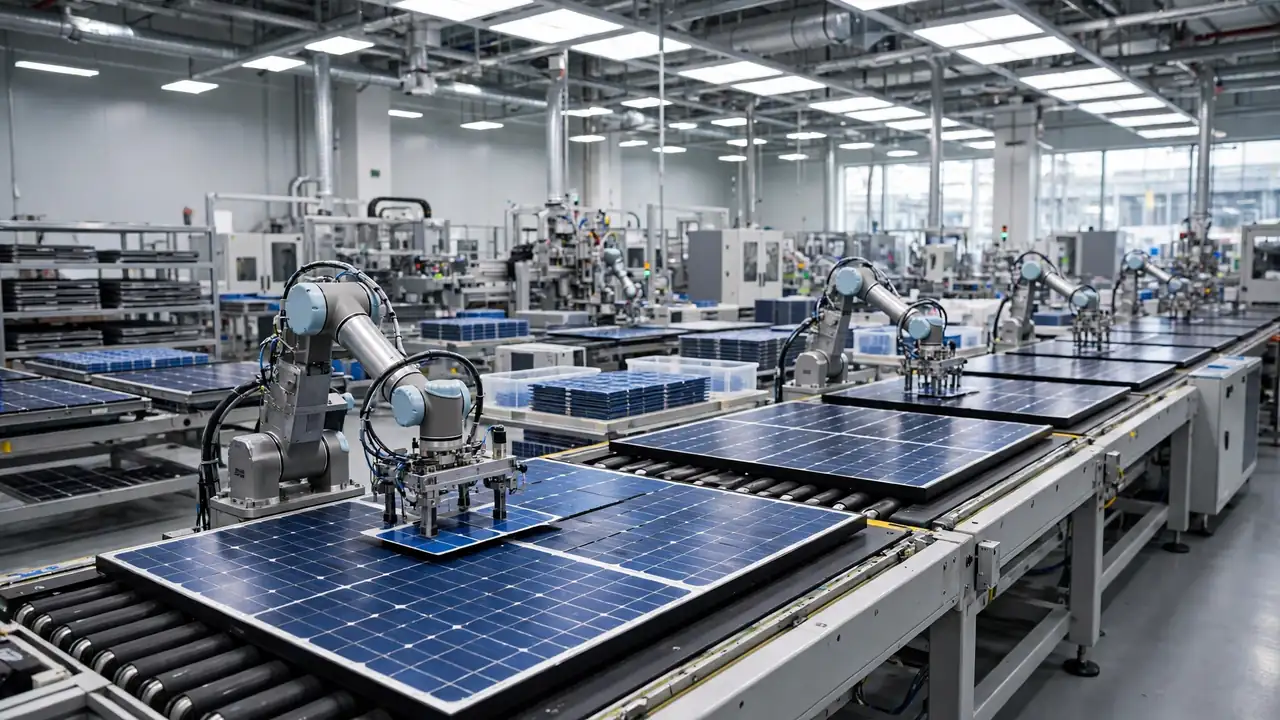
According to BloombergNEF’s published methodology, a module manufacturer qualifies as Tier-1 in a given quarter when, within a rolling two-year window, it has supplied its own-brand, own-manufacture modules to at least six different solar projects, each of which was financed with non-recourse debt by at least six different commercial banks. A few details matter here:
- Own-brand, own-manufacture only. Modules a company buys from another factory and rebrands do not count toward its qualification.
- Non-recourse financing. This means the bank lent against the project itself, not the developer’s balance sheet — the strongest possible signal that a lender trusts the equipment.
- Commercial banks, not development banks. Loans from institutions like development banks are excluded, because their lending criteria differ from commercial lenders.
- Two-year window. The qualification is recent and active. Refinancings of old projects do not count.
The list is a quarterly snapshot
BloombergNEF republishes the Tier-1 list every quarter. A manufacturer can appear on it in one period and drop off in another, depending on recent project-financing activity. Membership is a snapshot of the last two years of financing deals — it is not a permanent badge of honour.
What Tier-1 Is NOT
This is where most confusion — and most dealer marketing — goes wrong.
It is not a quality certification
BloombergNEF itself is explicit on this point: the Tier-1 list is a bankability ranking and should never be used as a measure of product quality. The firm recommends that module purchasers rely on proper technical due diligence — independent testing and quality assessments — instead of treating the list as a quality mark.
It is not a government or safety standard
No government body, testing laboratory, or safety regulator issues Tier-1 status. It comes from a private research firm. A panel being “Tier-1” tells you nothing about whether it meets electrical safety standards or carries genuine certifications — those are separate documents you should always check.
It is not an efficiency guarantee
Two manufacturers can both sit on the Tier-1 list while producing panels with very different efficiency, temperature coefficients, and degradation behaviour. The tiering looks at financing history, not at how well the modules perform on a roof. For performance, the panel’s datasheet — not its manufacturer’s tier — is the document that counts.
Tier-1 vs A-Grade: Two Different Languages
In the Pakistani market you will hear two terms used almost interchangeably: Tier-1 and A-grade. They are not the same thing, and confusing them is exactly what some sellers rely on.
Tier-1 describes the manufacturer’s financial credibility (bankability). A-grade describes the physical quality grade of an individual panel coming off the production line — whether it passed the manufacturer’s full quality inspection without cosmetic or electrical defects. A Tier-1 manufacturer can still produce B-grade panels (panels with visual or minor electrical defects, sold cheaper), and a “Tier-1” sticker on a box says nothing about whether the panel inside is A-grade or not.
When a dealer says “Tier-1 A-grade,” they are combining two claims: the brand is bankable and this panel passed full quality inspection. The first claim you cannot easily verify yourself; the second is what serial-number checks and authorized-distributor purchases are for.
Why Tier-1 Still Matters When Buying in Pakistan
None of this means the Tier-1 label is useless. For a buyer in Pakistan, it carries real — if limited — value:
- Warranty credibility. A panel warranty is only as good as the company behind it. A financially strong, bankable manufacturer is more likely to still exist in 15–25 years to honour a warranty claim. This is the single strongest practical argument for preferring Tier-1 brands.
- Manufacturing consistency. Bankable manufacturers run large, modern factories with tighter process control. Their A-grade output tends to be more consistent than that of small, unknown producers — though individual panels should still be verified.
- Easier verification. Major Tier-1 brands maintain serial-number verification systems and authorized dealer networks. As our Jinko serial-number check guide shows, this gives you a concrete way to confirm a panel is genuine — something unknown brands rarely offer.
The Limits of the Tier-1 Label
Smart buyers keep these limitations in mind:
- The official list is not public. BloombergNEF publishes the Tier-1 list for subscribers only. Any “Tier-1 list” you see posted on a dealer’s website or social media is either outdated, incomplete, or fabricated. You cannot independently check the current quarter’s list from a public source.
- “Tier-1” is applied to manufacturers, not panels. Strictly speaking, there is no such thing as a “Tier-1 panel” — only a Tier-1 manufacturer. When the phrase appears on a single panel’s box or sticker, it is marketing shorthand, not a technical claim.
- A Tier-1 brand can still sell you a bad panel. Counterfeit panels carrying famous Tier-1 brand names are a documented problem in Pakistan. The brand’s bankability means nothing if the panel in your hands is fake or B-grade. Always verify your panels before paying in full.
- Membership changes. A brand that was Tier-1 two years ago may not be on the current list. Marketing that leans on an old list is common — treat dated claims with scepticism.
How to Buy Smart Beyond the Tier-1 Label
Use Tier-1 as a first filter, then do the real work. Here is a practical checklist that matters more than any label:
- Read the datasheet. Efficiency, temperature coefficient, and the product and performance warranty terms are printed there. These numbers — not the tier — determine what the panel will do on your roof.
- Check the warranty terms carefully. Look for who honours the warranty locally and what the claim process involves. Our Jinko warranty guide walks through what to look for in warranty documents.
- Buy from an authorized distributor. This is the single most effective protection against counterfeit “Tier-1” panels. See our guide on finding an authorized solar panel distributor in Pakistan.
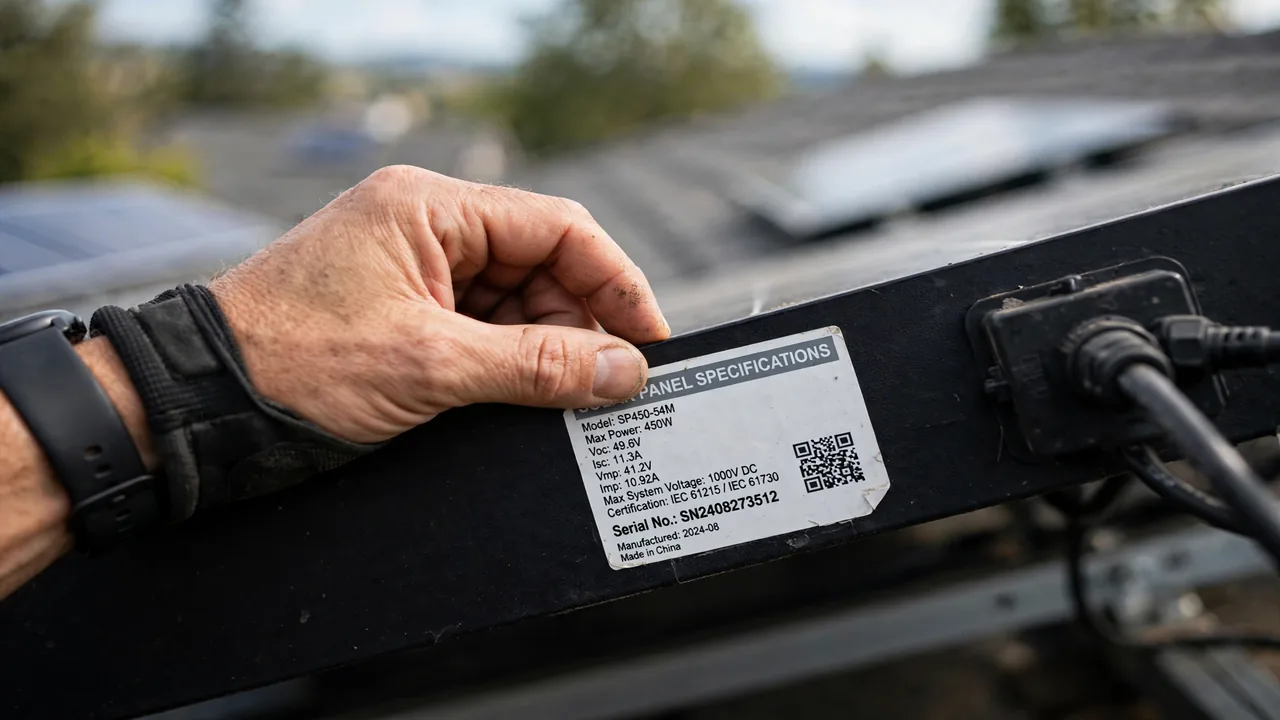
- Verify the serial number. Major brands let you confirm a panel’s authenticity online before installation. Run the check, do not just trust the box.
- Compare brands on substance. Our best solar panel brands in Pakistan comparison evaluates the brands dealers talk about most, so you can weigh technology and warranty rather than slogans.
Frequently Asked Questions (FAQs)
What does Tier-1 mean in solar panels?
Tier-1 is a bankability ranking of solar panel manufacturers created by Bloomberg New Energy Finance (BloombergNEF). A Tier-1 manufacturer is one whose own-brand, own-manufacture modules have been used in at least six solar projects financed with non-recourse debt by at least six different commercial banks within a rolling two-year window. It measures financial credibility, not panel quality.
Who decides which solar manufacturers are Tier-1?
BloombergNEF decides. It publishes the Tier-1 PV Module Makers list every quarter based on its proprietary database of project-financing deals worldwide. No government body, testing lab, or safety regulator issues Tier-1 status — it comes from a private research firm, and the official list is available to subscribers only.
Is Tier-1 a quality certification?
No. BloombergNEF explicitly warns that the Tier-1 list should never be used as a measure of product quality. The ranking looks at financing history — whether banks lent to projects using a manufacturer’s modules — not at efficiency, durability, or defect rates. For quality, rely on datasheets, warranties, and independent testing instead.
Is a Tier-1 panel always better than a non-Tier-1 panel?
Not necessarily. Two manufacturers can both be Tier-1 while making panels with very different efficiency and degradation behaviour, and Tier-1 manufacturers also produce lower-grade panels. Tier-1 is a useful first filter — it signals the company is financially stable enough to back long-term warranties — but the individual panel’s datasheet and warranty terms matter far more.
Can a Tier-1 manufacturer’s panels still be low quality?
Yes. The tiering applies to the manufacturer, not to any individual panel. Panels from the same Tier-1 brand can be A-grade or B-grade depending on quality-inspection results, and counterfeit panels carrying famous Tier-1 brand names are a known problem in Pakistan. Always buy from an authorized distributor and verify the panel’s serial number before paying in full.
How can I verify a Tier-1 claim when buying panels in Pakistan?
You cannot check the current BloombergNEF list directly since it is not public, but you can protect yourself in other ways: buy only from authorized distributors, verify the panel’s serial number on the manufacturer’s official website, read the datasheet and warranty terms, and compare brands on technology and warranty rather than on marketing claims.
Do Tier-1 brands sell genuine panels in Pakistan?
Genuine panels from Tier-1 brands are widely available in Pakistan, but so are counterfeits and B-grade panels sold under Tier-1 brand names. The safest approach is to purchase from an authorized solar panel distributor, verify serial numbers online, and inspect warranty documents before installation.