Jinko vs Longi Solar Panels in Pakistan: Best Honest Pick

By Ahmed Khan, Senior Technical Content Writer · Reviewed by Green Energy Solutions, Founder & Senior Solar Analyst
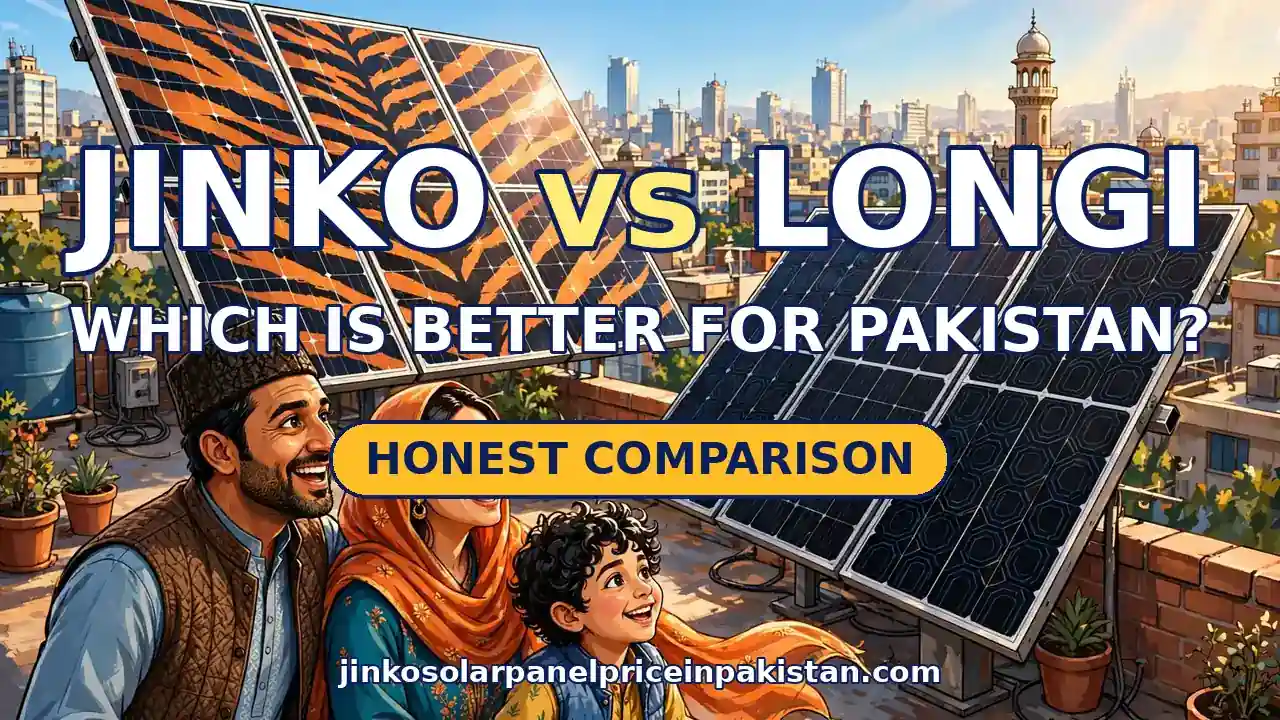
If you are shopping for Tier-1 panels in Pakistan, one question comes up in almost every dealer conversation: in the jinko vs longi solar panels in pakistan debate, which brand is actually the better buy? Both names dominate Pakistani rooftops — Jinko with its Tiger Neo series and Longi with its Hi-MO lineup — and both sit comfortably on the Tier-1 bankability lists, so you cannot go badly wrong with either.
But they are not identical: the two brands bet on different cell technologies, behave slightly differently in Pakistan’s brutal summer heat, and offer different warranty terms. This honest comparison puts datasheet numbers, real heat performance, and genuine buyer priorities side by side so you can pick with confidence.
Quick Answer — Jinko or Longi?
Short on time? Here is the verdict from the full jinko vs longi solar panels in pakistan comparison below: pick Longi if you want the highest efficiency on a small or partially shaded roof — its back-contact Hi-MO modules squeeze more watts out of every square metre. Pick Jinko if you want the best value per watt — its Tiger Neo panels deliver nearly the same real-world output at a slightly lower price.
For most Pakistani homes with decent open roof space, Jinko is the smarter buy; for tight roofs where every watt counts, Longi earns its small premium.
Jinko vs Longi Solar Panels in Pakistan — Head-to-Head
| Feature | Jinko (Tiger Neo) | Longi (Hi-MO X10) |
|---|---|---|
| Flagship series | Tiger Neo, N-type TOPCon | Hi-MO X10, HPBC back-contact |
| Module efficiency | ~21.5–23% | ~24.8% |
| Temperature coefficient | ≈ −0.29 to −0.30 %/°C | ≈ −0.26 %/°C |
| Annual degradation | ≈ 0.40–0.55% | ≈ 0.35% |
| Product warranty | ~12 years | ~15 years |
| Performance warranty | 25–30 years | 25–30 years |
| Bifacial gain | Strong (dual-glass models) | Available on select models |
| Relative price | A few percent cheaper per watt | Small premium over Jinko |
The table tells the real story: Longi leads on pure efficiency and heat behaviour, Jinko answers with value and excellent bifacial options. Neither brand is “bad” — the right choice depends on your roof, not on marketing. That trade-off sits at the heart of the jinko vs longi solar panels in pakistan decision.
Cell Technology Compared — TOPCon vs Back-Contact
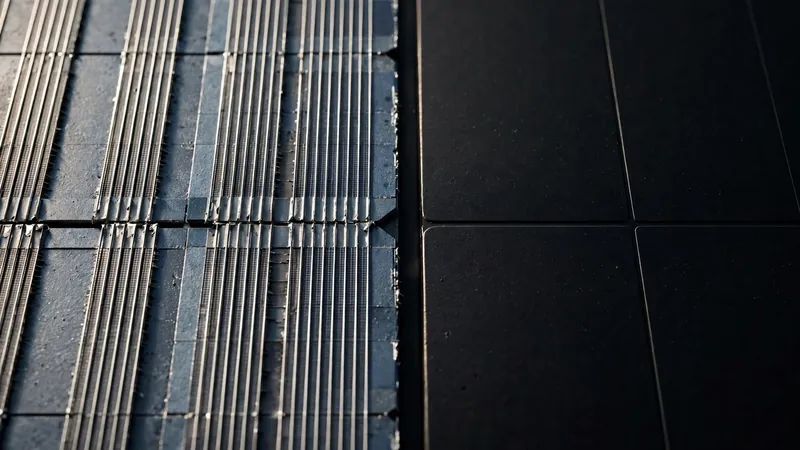
The jinko vs longi solar panels in pakistan question is really a question about two different bets on cell technology. Jinko’s Tiger Neo uses N-type TOPCon cells: half-cut monocrystalline cells with fine multi-busbar gridlines on the front face, excellent low-light response, and strong resistance to the PID and LID degradation that ages older panels. It is the current mainstream standard, and Jinko has shipped it at enormous scale, which is part of why the price stays competitive. Confirm the Tiger Neo generation on JinkoSolar’s official website.
Longi’s flagship Hi-MO X10 uses HPBC back-contact cells: every electrical contact is moved to the rear of the cell, so there are no gridlines shading the front at all. That unobstructed front surface is why back-contact modules reach the highest efficiencies on the market (~24.8%) and why they handle partial shading more gracefully. Longi is doubling down on this technology, converting its cell capacity toward back-contact production. See LONGi’s official website for the Hi-MO range.
What does this mean on your roof? Back-contact is genuinely the more advanced technology, but the real-world output gap between the two flagships is only a few percent — far smaller than the gap between either of them and last-generation P-type panels. Our N-type vs P-type panel guide explains why both of these leave older PERC panels behind.
Performance in Pakistan’s Heat
This is where Pakistani buyers should pay the closest attention, because heat is the silent killer of solar output. Every panel loses a fixed percentage of power for each degree above 25°C — the temperature coefficient — and in Multan, Sukkur, Bahawalpur, and Jacobabad, cell temperatures routinely cross 65°C in June.
Longi’s −0.26 %/°C is the better number: at 65°C (40°C above standard test conditions), it loses roughly 10.4% of rated output. Jinko’s −0.29 to −0.30 %/°C loses roughly 11.6–12% under the same conditions. The gap is real but modest — about one percentage point, or a few extra units a month on a typical home system. Keep this small gap in perspective when reading jinko vs longi solar panels in pakistan reviews that hype efficiency alone.
Both brands dramatically outperform older panels in heat, and both need the same monthly cleaning in winter: smog and dust can cut any panel’s output by 10–20%, which dwarfs the brand gap. Longi does offer an anti-dust frame option on select modules, a small but genuine advantage for dusty cities.
Across the whole jinko vs longi solar panels in pakistan heat debate, one fact matters more than the coefficient gap: regular cleaning. For net-metering households that export surplus units, that extra efficiency compounds: every additional unit your panels generate is a unit credited against your bill under NEPRA’s net metering framework. Check the latest net metering policy before finalising your system size.
Warranty and Degradation Compared
Warranties are where Longi’s premium shows up on paper. When buyers weigh jinko vs longi solar panels in pakistan on warranty alone, Longi’s extra three years of product cover look decisive — and they are genuinely valuable. Longi offers roughly a 15-year product warranty against Jinko’s 12 years — three extra years of cover against manufacturing defects. Both offer 25–30 year performance warranties guaranteeing a minimum output curve over the panel’s life.
Degradation tells a similar story: Longi’s ~0.35% annual degradation is slightly better than Jinko’s ~0.40–0.55%. Over 25 years, a Longi module retains a couple of percentage points more of its original output. In absolute terms that is meaningful but not dramatic — both panels will still be producing well over 85% of rated power after two and a half decades. Over a 25-year life, this jinko vs longi solar panels in pakistan degradation gap is worth a few hundred extra units — nice, but not decisive.
One critical warning applies to both brands equally: warranties only exist on documented A-grade stock. An undocumented panel with no serial record and no warranty card carries no warranty at all, whatever the dealer promises. Always verify with our Jinko serial number check guide and buy through an authorised solar panel distributor where possible.
Price Difference — Read This Before You Pay
Note: Solar panel prices change daily with the dollar rate and dealer stock. Check today’s exact rates on our homepage.
In relative terms, Jinko typically costs a few percent less per watt than comparable Longi modules — dealer quotes usually show a gap of roughly 3–8%. For shoppers comparing jinko vs longi solar panels in pakistan purely on price, the honest answer is that the gap is small enough that roof fit and documentation quality should decide, not the headline quote. On a 10kW home system that is a noticeable but not life-changing saving, and Longi’s efficiency edge narrows the lifetime value gap further. Never choose on headline price alone: an undocumented “cheap” panel of either brand, without serial verification and warranty paperwork, is the most expensive mistake in Pakistani solar. For the full Jinko lineup context, see our Jinko 600W buyer’s guide.
Which Panel Suits Your Roof?
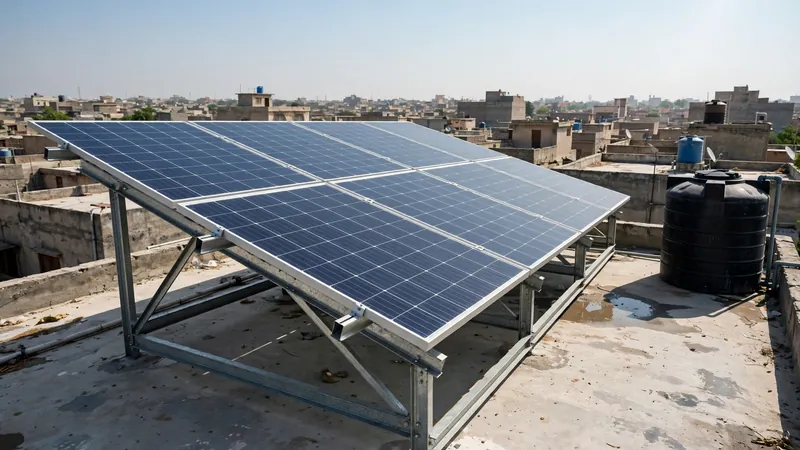
Use this decision checklist instead of brand loyalty — the jinko vs longi solar panels in pakistan answer depends on your roof, not the logo:
- Small or partially shaded roof? → Longi. Higher efficiency means more watts per square metre, and better shade behaviour protects output.
- Large open roof with a tight budget? → Jinko. Nearly identical lifetime output at a few percent lower cost per watt — the classic value pick.
- Exporting lots of units under net metering? → Slight edge to Longi; efficiency directly becomes bill credit.
- Ground-mount or white reflective roof? → Jinko’s dual-glass bifacial models capture meaningful rear-side gain.
- Premium new build, cleanest look? → Longi’s back-contact modules have no visible gridlines.
The Honest Verdict on Jinko vs Longi Solar Panels in Pakistan
After the full jinko vs longi solar panels in pakistan breakdown, the honest answer is that both are excellent and the “winner” depends on your roof. Longi is the technology leader: higher efficiency, better heat behaviour, longer product warranty, slower degradation. Jinko is the value leader: nearly the same real-world output, strong bifacial options, and a few percent lower price per watt.
On a tight or shaded roof, pay Longi’s small premium. On a normal open roof, Jinko’s value is hard to beat. Whichever you choose, insist on serial-verifiable A-grade stock — that single decision matters more than the brand name on the frame.
Frequently Asked Questions
In the jinko vs longi solar panels in pakistan debate, which brand is better overall?
Neither is universally better. Longi leads on efficiency, heat performance, and warranty length; Jinko leads on value per watt and bifacial options. Match the brand to your roof: tight or shaded roofs favour Longi, open roofs favour Jinko. That is the jinko vs longi solar panels in pakistan bottom line for most buyers.
Is Longi more efficient than Jinko?
Yes. Longi’s back-contact Hi-MO flagship reaches around 24.8% module efficiency, while Jinko’s Tiger Neo TOPCon models sit around 21.5–23%. The real-world output gap is a few percent — smaller than the lab numbers suggest.
Which panel performs better in hot areas like Multan and Sukkur?
Longi has a slight edge thanks to its −0.26 %/°C temperature coefficient versus Jinko’s −0.29 to −0.30 %/°C. Both handle heat far better than older P-type panels, and regular cleaning matters more than the brand difference. In the jinko vs longi solar panels in pakistan heat comparison, Longi’s edge is real but small.
Which is cheaper — Jinko or Longi?
Jinko is typically a few percent cheaper per watt than comparable Longi modules. Because prices change daily with the dollar rate and dealer stock, check today’s exact rates on our homepage rather than relying on any quoted figure. The jinko vs longi solar panels in pakistan price gap is small enough that warranty terms should weigh heavily.
Do Jinko and Longi both offer 25-year warranties?
Both offer 25–30 year performance warranties, but the product warranty differs: roughly 15 years for Longi versus 12 years for Jinko. These warranties apply only to documented A-grade stock with verifiable serial numbers. In the jinko vs longi solar panels in pakistan warranty comparison, Longi’s longer product warranty is a genuine plus.
How do I verify a genuine Jinko or Longi panel in Pakistan?
Check the serial number through the manufacturer’s verification channel, insist on a warranty card stamped by the dealer, and buy from an authorised distributor wherever possible.
