
Authorized vs Unauthorized Solar Dealers: Why It Matters

An authorized solar dealer buys panels directly from the brand or its official distributor in Pakistan, with a written agreement. An unauthorized dealer buys from the open market or through unofficial imports, with no agreement with the brand. The panels can look the same, but the warranty, the paperwork and the after-sales support are not the same — so the dealer you choose matters as much as the panel you choose. This guide explains authorized vs unauthorized solar dealers pakistan in plain words: the risks, the paperwork, and how to check any dealer before you pay.
What Is an Authorized Solar Dealer?
An authorized dealer is a shop or company the solar brand itself has approved to sell its panels. It signs an agreement with the brand or the brand’s official distributor in Pakistan, and the brand then supplies it directly, trains its staff, and stands behind the panels it sells.
Because the supply comes through the official channel, an authorized dealer can give you three things an unauthorized seller often cannot: genuine panels in sealed boxes, with serial numbers the brand can trace; a proper invoice and a stamped warranty card in your name; and after-sales help — if a panel has a fault, the dealer takes up your case with the brand instead of leaving you alone.
What Is an Unauthorized Dealer?
An unauthorized dealer sells solar panels with no agreement with the brand. The panels usually come through the open market, from importers, or from other dealers. The shop may be honest and the panels may even be genuine — but the brand has no relationship with that shop, so it owes you nothing.
To be fair, not every unauthorized dealer sells fake panels. Some small shops buy genuine stock from a bigger importer and sell it at a fair rate. But you cannot tell from the outside which seller has genuine stock and which one mixes in fake, refurbished or B-grade panels — and when there is a problem, there is no brand office to complain to. Unauthorized selling is common in wholesale markets. Our guide to the solar panel wholesale market in Karachi shows how mixed these markets can be, so judge each seller on its own.
Authorized vs Unauthorized Solar Dealers Pakistan: The Main Differences
| What to compare | Authorized dealer | Unauthorized dealer |
|---|---|---|
| Source of panels | Direct from the brand or its official distributor | Open market, importers, or other dealers |
| Brand warranty | Full warranty, honoured by the brand | Brand can refuse the warranty claim |
| Risk of fake panels | Very low — stock is traceable by serial number | Higher — fake, refurbished or B-grade stock is possible |
| Invoice and paperwork | Proper invoice with model and serial numbers, stamped warranty card | Often a simple receipt, sometimes with no model or serial number |
| After-sales support | Dealer helps with brand claims and service | Usually no support after the sale |
| Net metering documents | Documents match what the DISCO asks for | Paperwork can be incomplete or mismatched |
| If something goes wrong | You can complain to the brand too | Only the dealer can help, if it agrees |
5 Risks of Buying From an Unauthorized Dealer
1. The brand can refuse your warranty claim
A warranty is a promise from the brand, and the brand sets the condition: buy through the authorized channel. Solis states in its warranty terms that the warranty is only valid for products bought from Ginlong or an authorized reseller, and Growatt asks for the serial number and the original invoice for any claim. If your panels came from an unauthorized dealer, the brand can simply say no. Our solar inverter warranty guide explains the same rule for inverters, and our Jinko solar panel warranty guide covers what Jinko asks for.
2. Fake, refurbished or B-grade panels
Unauthorized sellers are the main route for fake and refurbished panels — a used panel cleaned and resealed, a B-grade panel sold as A-grade, or a copy with a copied label. From the front, all of them look real, so checking the panel matters as much as checking the dealer. Read our fake vs original solar panel guide for the physical signs, and use our solar panel verification guide to check serial numbers and QR codes before you pay.
3. Wrong model or mixed stock
An unauthorized dealer buys whatever stock is available that week, so you may be quoted one model and delivered another — a different wattage, a different cell type, or an older series. A set can even be mixed, which can drag down the output of the whole set. Always match the model name on the quotation, the box, the invoice and the panel label, one by one.
4. No one to call when something breaks
After-sales support is where the difference shows most clearly. An authorized dealer has a reason to help you — its agreement with the brand depends on happy customers. An unauthorized dealer has already made its money on the day of the sale, so if a panel underperforms a year later, many will blame your inverter, your wiring, or the weather, and the conversation ends there.
5. Net metering paperwork can stall
When you apply for net metering, the distribution company checks your equipment documents — the model, the serial numbers, the invoices and the test reports. If the papers from an unauthorized dealer are incomplete or do not match the panels on your roof, the process can stall for weeks. Our net metering policy guide explains the full process, step by step.
How to Check If a Dealer Is Authorized in Pakistan
Do these five checks before you pay — they take about fifteen minutes.
- Check the brand’s own website. Most big brands publish a list of authorized partners — Fronius, for example, publishes a find-an-installer map of its trained partners. Search it for the dealer’s name and city.
- Call or email the brand’s official office. Ask plainly: “Is this shop your authorized dealer in my city?” Keep the name of the person you spoke to.
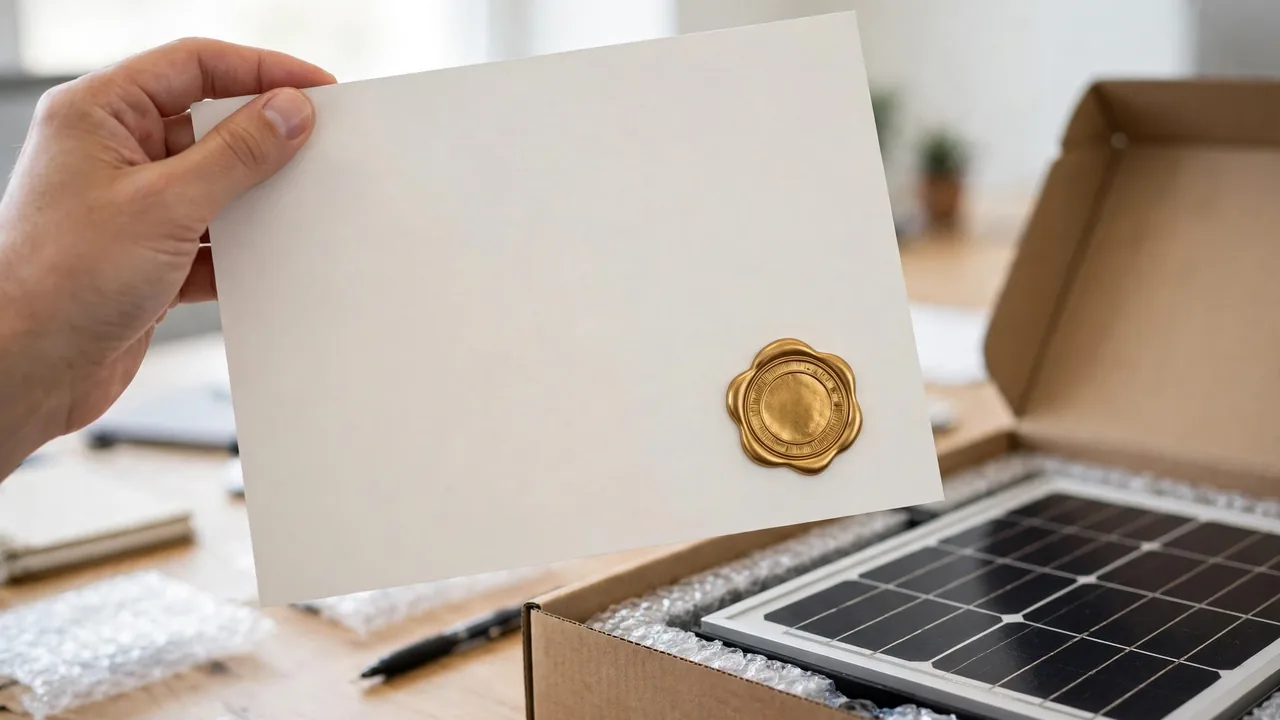
- Ask the dealer to show the authorization letter or certificate. An authorized dealer has a letter or certificate from the brand or the official distributor, with the shop name, city and validity date. An expired letter proves nothing.
- Check our distributor list. Our list of an authorized solar panel distributor in Pakistan names official distributors by brand and city — ask your dealer which one it buys from, and confirm it with that distributor.
- Verify the panels themselves. Even with an authorized dealer, check the serial numbers — Jinko owners can use the brand’s own SN Authentication portal. Our brand guides show the same checks for other makes: how to verify an original Longi panel and how to verify an original Canadian panel.
If a dealer passes all five checks, buy with confidence. If it fails even one, slow down.
Red Flags That a Dealer Is Not Authorized
One red flag may mean nothing, but two or three together mean walk away.
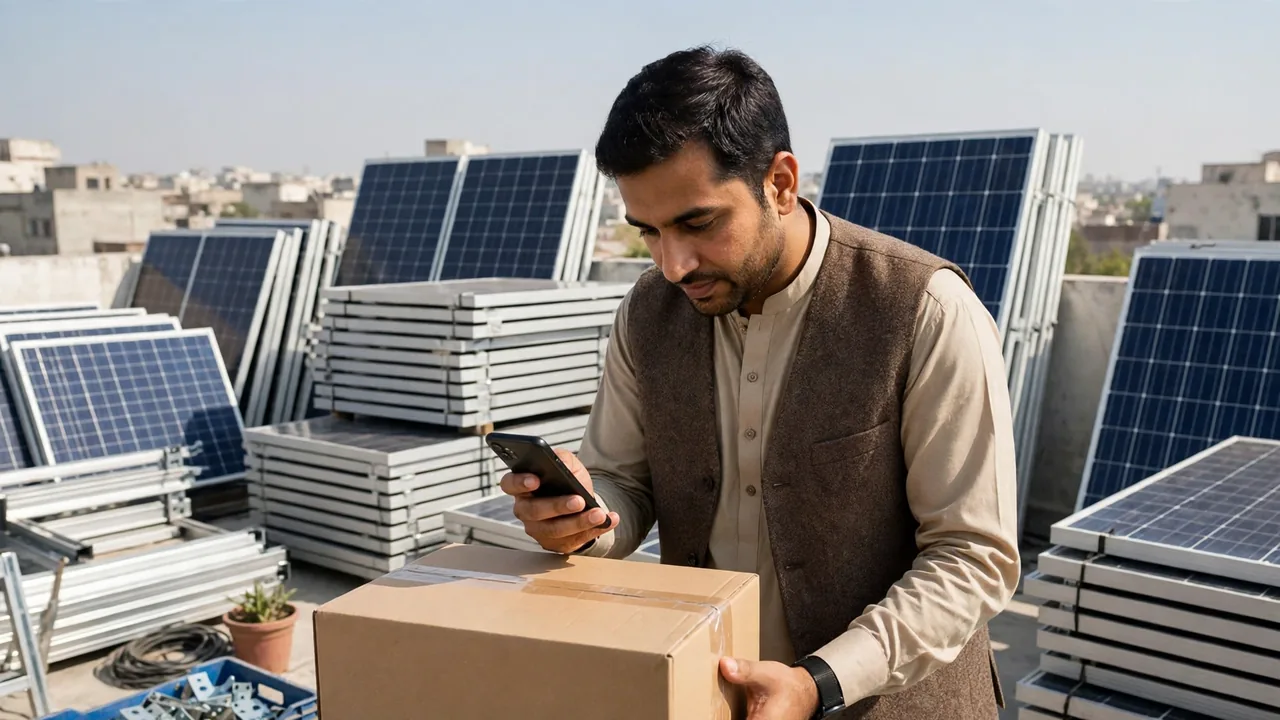
- Refuses to share serial numbers before payment. Serial numbers are printed on the product itself, so a genuine seller has nothing to hide. Walk away from any dealer who hides them.
- No proper invoice. A receipt with only a total amount — no model name, no serial numbers — is not an invoice, and without one a warranty claim is almost impossible.
- Cash only, no receipt. A dealer who takes cash only and gives no receipt is avoiding a paper trail — your only protection later.
- No fixed shop address. A dealer with only a mobile number and no shop you can visit can disappear after the sale. Buy from a place you can return to.
- Blank or unstamped warranty card. A warranty card with no dealer stamp, no date and no serial number is just paper — the brand will not accept it.
- Panels without sealed boxes. New panels come in sealed boxes — open boxes or missing labels are reasons to refuse the delivery.
- Pressure to pay today. “This rate is only for today” and “stock is finishing” are pressure tactics. A genuine dealer lets you check first and come back tomorrow.
Our checklist before buying solar panels covers these checks and more, and our guide on how to choose a solar installer helps you vet the installer too.
What Papers an Authorized Dealer Must Give You
Before you pay the final amount, collect every paper below and check it on the spot. Keep the originals safe, and photograph them too.
- A proper invoice with the exact model name and the serial number of every panel, plus the shop name, address and phone number.
- A stamped warranty card with the dealer’s stamp, the date of purchase and the serial numbers written on it.
- Proof of authorization — a copy of the brand’s authorization letter, or the name of the official distributor the dealer buys from.
- The panel datasheet for the exact model you bought, so you can check the wattage, the cell type and the electrical ratings.
- The flash test report for your panels, showing the tested output of each panel — our solar panel flash test report guide explains how to read it.
- The sealed boxes with labels that match the invoice. Match at least two panels yourself before the installer starts work.
If the dealer cannot give you these papers, that is your answer — do not pay the balance until they are in your hand.
Does Buying From an Unauthorized Dealer Void the Warranty?
In most cases, yes. The brand’s warranty comes with one condition: the product must be bought through the brand’s authorized channel. Buy from an unauthorized dealer and the brand can refuse the claim, even if the panel itself is genuine.
There are two things you can still do. First, keep every paper and photo — the invoice, the warranty card, the serial numbers and photos of the labels. They are your only evidence if you ever argue your case with the brand. Second, contact the brand’s official support with the model and serial number and ask directly. But do not count on help: without an authorized-channel purchase, the brand owes you nothing, and most buyers in this situation pay for the repair themselves.
The safe rule is simple: if the warranty matters to you, buy from an authorized dealer. The small saving is not worth losing the warranty on the most expensive part of your system.
Authorized Dealers and Net Metering
Buying from an authorized dealer also makes net metering easier. When you apply, the distribution company checks your equipment documents against the panels on your roof. Authorized dealers give you documents that match; with an unauthorized dealer, the papers are often incomplete, and the mismatch is found only when the application stalls.
One more check: the installer who fits your system should be certified for net metering work. That certification now sits with the Private Power and Infrastructure Board, after the Alternative Energy Development Board was merged into it in 2023. Ask your installer whether it holds that certification, and read our net metering policy guide so you know what the DISCO will ask for.
Check Current Prices
Now you know how to tell an authorized dealer from an unauthorized one, so compare the latest options before you buy. See today’s solar plate price in pakistan and the solar panel price in pakistan on our homepage, where the tables are updated daily. And if you are comparing one brand in detail, check the canadian solar panel price in pakistan on its brand page too. A dealer worth buying from will welcome the comparison — and will have the papers to back up every panel it sells.
Frequently Asked Questions (FAQs)
What is the difference between an authorized and an unauthorized solar dealer?
An authorized dealer has a written agreement with the brand or its official distributor and buys stock through the official channel, so the brand honours the warranty and supports the sale. An unauthorized dealer buys from the open market with no agreement, so the brand has no duty to help you if something goes wrong.
Can I buy solar panels from an unauthorized dealer?
Yes, you can — it is not illegal. But you lose the brand warranty in most cases, and you carry the full risk if the panels turn out to be fake, refurbished or the wrong model. Check the panels and the papers carefully before you pay.
How do I check if a solar dealer is authorized in Pakistan?
Check the brand’s own partner list on its website, call or email the brand’s official office, ask the dealer to show its authorization letter or certificate, and check the distributor list on this site. Then verify the panels by serial number before you pay.
Will the brand honour the warranty if I bought from an unauthorized dealer?
Usually not. Most brands honour warranty claims only for products bought through the authorized channel — Solis, for example, states this in its warranty terms. Keep your invoice and photos, and ask the brand’s support directly, but do not count on a claim being accepted.
Are unauthorized dealers always selling fake solar panels?
No. Some sell genuine panels bought through other channels. But the risk of fake, refurbished or B-grade stock is higher, and you have no brand to complain to. The dealer’s authorization is the simplest way to lower that risk.
What papers should an authorized dealer give me?
A proper invoice with the exact model and serial number of every panel, a stamped warranty card, proof of authorization, the panel datasheet, the flash test report, and the sealed boxes with matching labels.
Is it safe to buy solar panels from a wholesale market?
Wholesale markets hold both authorized and unauthorized sellers, so the market name tells you nothing. Judge each seller on its own: check its authorization, ask for serial numbers before payment, and insist on a proper invoice.
What should I do if I already bought from an unauthorized dealer?
Verify the panels first — check the serial numbers on the brand’s official portal and match the model on the box, invoice and label. Keep every paper and photo, contact the brand’s support with the model and serial number, and have the installation checked by a qualified installer.