
Common Net Metering Application Mistakes to Avoid

Most net metering applications in Pakistan are not rejected because solar is complicated — they are rejected because of small, avoidable mistakes in the paperwork, the system size, or the installation itself. A wrong sanctioned load, a name that does not match the electricity bill, panels installed before approval, or an inspection nobody prepared for can each send the file back to the start and add weeks to the process. This guide lists those mistakes and how to avoid each one, so your application moves through your distribution company — your DISCO — the first time.
Net metering in Pakistan is regulated by NEPRA, the National Electric Power Regulatory Authority, and the application is handled by your local DISCO, such as LESCO, IESCO, FESCO, MEPCO, or K-Electric. The process is the same everywhere: you apply, the DISCO checks your documents and connection, your system is inspected, and a bi-directional meter is installed. Our latest net metering policy guide explains the rules behind the process, while this guide focuses on the mistakes that trip people up inside it.

Why Net Metering Applications Get Rejected
A net metering application is really three checks in one. First, the DISCO checks whether you are who you say you are and whether the connection belongs to you. Second, it checks whether the system you want matches the connection you have — its sanctioned load, its wiring, and its meter. Third, it checks whether the installed system is safe and built to the required standard. A mistake in any one of these areas can stop the application, and the DISCO will usually point at the first problem it finds rather than listing them all. Check all three areas before you submit.
Mistake 1: Applying With the Wrong Sanctioned Load
The most common reason for a delayed or rejected application is a mismatch between the solar system size and the sanctioned load on the connection. Your sanctioned load is the maximum load your DISCO has approved for your meter, and it is printed on your electricity bill. A system larger than the sanctioned load allows cannot be approved on that connection as it stands — the DISCO will either reject the application or ask you to apply for a load increase first, which is a separate process with its own inspection and timeline. If your planned system does not fit within it, apply for the load increase first. See our guide on what sanctioned load means in net metering.
Mistake 2: Submitting Incomplete or Mismatched Documents
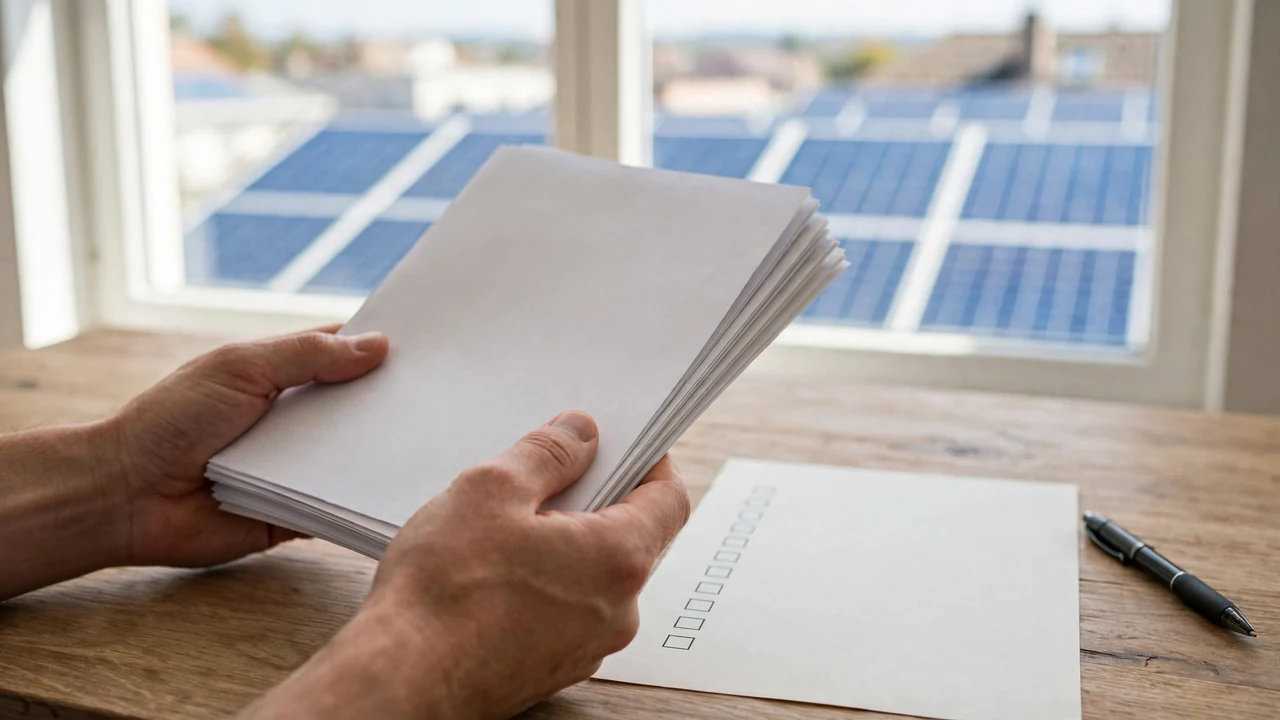
Documents cause more rejections than any technical issue. The usual problems are simple: the name on the application does not match the name on the electricity bill, the CNIC copy is expired or unreadable, the ownership or tenancy proof is missing, the reference number on the form is copied wrong, or an older bill is attached instead of the latest one. Gather every document before you apply, check that the name and address match the bill exactly, and make fresh, legible copies. Keep a copy of everything you submit. Our net metering documents checklist lists every paper you need so nothing is missed.
Mistake 3: Installing Panels Before Approval
Many homeowners install the full system first and apply for net metering afterwards, assuming the application is a formality. It is not. The DISCO inspects the installed system as part of the approval process, and a system installed before approval can fail that inspection for reasons that would have been easy to fix during installation — wrong wiring, missing protection devices, or panels mounted in a way the DISCO does not accept. Apply early, while the installation is being planned, and agree the sequence with your installer before any panel goes on the roof: application first, installation to the required standard, inspection, then the meter.
Mistake 4: Choosing the Wrong Inverter or System Size
An inverter that does not meet your DISCO’s technical requirements — for example, one without the required grid-protection features — will not pass inspection. The same applies to the system as a whole: a system much larger than your daytime consumption exports a large surplus that is only credited in units, not paid in cash, so oversizing rarely pays off the way people expect. Size the system from twelve months of bills, not from the biggest system your roof can hold. Choose an inverter from a brand your installer can support locally and confirm it meets your DISCO’s requirements before buying. See our solar inverter buying guide for Pakistan and our guide to net metering for 5kW vs 10kW systems, which shows how system size changes the sanctioned load, roof space, and export you need to plan for.
Mistake 5: Skipping Earthing, Wiring, and Safety Standards
The inspection is a safety check as much as a paperwork check, and shortcuts in earthing and wiring are among the most frequent reasons it fails. Common problems include missing or shallow earthing, DC and AC cables run together without proper separation, undersized cables for the current they carry, missing breakers or surge protection, and loose connections in the distribution box. Ask your installer to walk you through the earthing and protection devices before the inspection, and do not accept vague answers. If your installer suggests skipping any of them to save time, treat that as a warning sign about the installer. See our guide on how to choose a solar installer in Pakistan.
Mistake 6: Ignoring the Inspection Checklist
Many applications reach the inspection stage and then stall, because nobody prepared for the visit. The inspector needs clear access to the panels, the inverter, the meter, and the distribution box. Locked gates, a roof with no safe access, a meter box blocked by stored items, or nobody at home when the inspector arrives can each waste the visit and send your file to the back of the queue. Confirm the date and time, make sure someone is home, clear access to every part of the system, and have your documents and system paperwork ready in one folder. Our net metering inspection preparation guide covers the full checklist.
Mistake 7: Letting the Installer File Without Checking
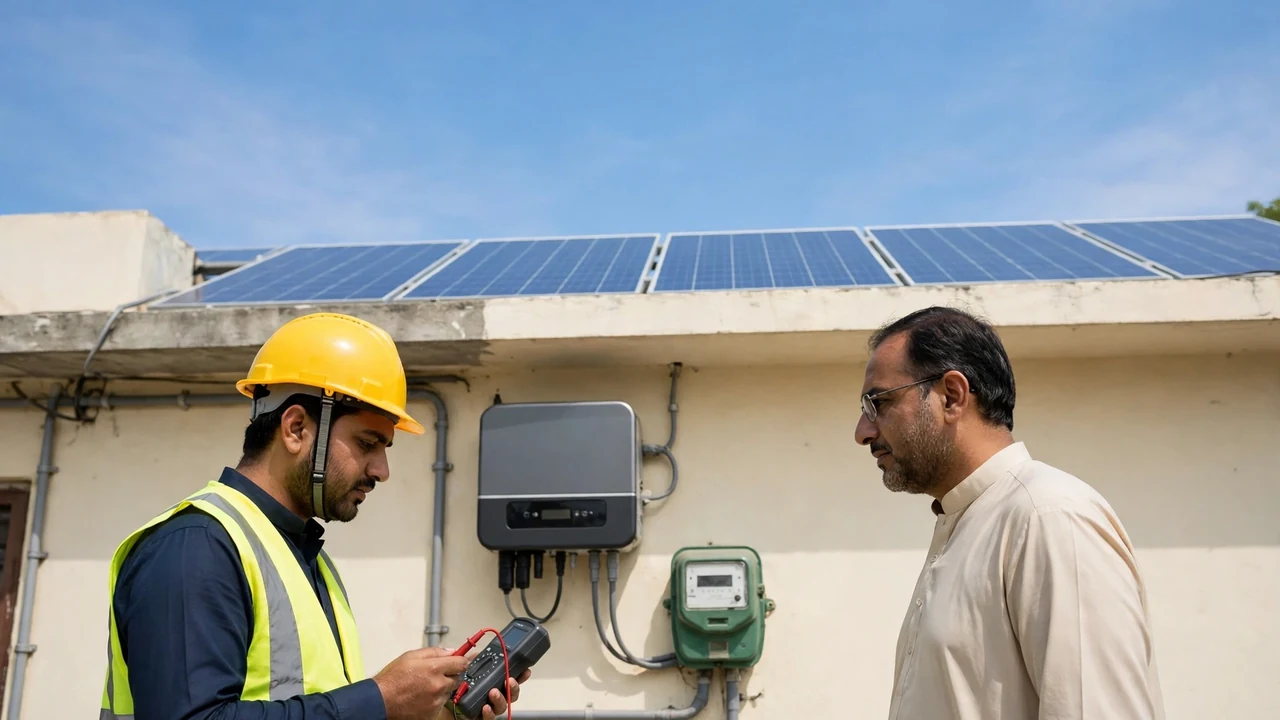
Most homeowners hand the whole application to their installer, which is normal — but handing it over without checking anything is a mistake. The installer may file under the wrong name, use an old bill, apply for the wrong system size, or simply delay filing for weeks while telling you it is done. Because you never saw the form, you have no reference number — and when you call the DISCO office, there is no record of any application at all. Stay involved even when the installer files for you: read the application before it is submitted, check the name, reference number, and system size yourself, and get a copy of the submitted form and the acknowledgement or reference number on the same day. If an installer refuses to share the application or the reference number, that is a reason to reconsider the installer.
Mistake 8: Not Following Up After Submission
Filing the application is the middle of the process, not the end of it, but many homeowners treat it as the finish line and wait in silence. Files can sit untouched, an objection letter can go to an old address, or an inspection can be scheduled and missed without anyone telling you. Follow up on a fixed schedule: note the date and reference number, then check the status weekly — at the DISCO office, by phone, or through your installer. Polite, regular follow-up is the difference between an application that takes a few weeks and one that takes months, and it costs nothing but a phone call.
Mistake 9: Applying on a Connection With Unpaid Dues or a Dispute
A connection with unpaid bills, an outstanding surcharge, or an open dispute is a poor starting point for a net metering application. DISCOs check the billing history of the connection, and dues or a dispute can hold the file until they are settled — or, in the case of a billing dispute, until the dispute itself is resolved. Homeowners often discover this only after applying, when the objection arrives and the process stops. Before you apply, check that the connection is clear: bills paid up to date, no outstanding arrears, and no open complaint or dispute on the account. If there is a dispute, resolve it first or get written clarity on whether it blocks the application.
Mistake 10: Signing the Net Metering Agreement Without Reading It
The last mistake happens after approval, when the net metering agreement arrives. Some homeowners sign it without reading, assuming it is a standard form with nothing to check. It contains the terms that will govern your bills for years: how exported and imported units are counted, how surplus credit carries forward, and what happens if the system changes. Signing without understanding it means discovering the terms later, on a bill you did not expect. Read the agreement before you sign, and ask the DISCO office or your installer to explain any term you do not understand — especially the export and import counting and how surplus units are treated. See our guide on how net metering billing works in Pakistan.
What to Do If Your Application Is Rejected
A rejection is a delay, not a final answer — but only if you respond to the reason given. Read the rejection or objection note carefully and find the exact issue it names: a document, a load limit, a technical point, or an inspection failure. Fix that issue specifically, and ask whether anything else in the file needs attention before you resubmit, so you do not trade one rejection for the next. Keep every letter, receipt, and reference number together. Do not resubmit the same application unchanged and hope for a different result; the file will come back for the same reason.
Net Metering Application Checklist
Every row should be a yes before the file goes in.
| Check | What to Verify |
|---|---|
| Sanctioned load | System size fits the load printed on your latest bill |
| Name match | Application name matches the electricity bill exactly |
| Documents | CNIC, latest bill, and ownership or tenancy proof are complete and legible |
| Reference number | Connection reference number copied correctly on the form |
| Dues | No unpaid bills or open dispute on the connection |
| Inverter | Inverter meets your DISCO’s technical requirements |
| Earthing and wiring | Earthing, cable sizing, breakers, and surge protection installed |
| Application copy | You hold a copy of the submitted form and its reference number |
| Inspection ready | Access clear to panels, inverter, meter, and distribution box |
| Agreement read | Net metering agreement read and understood before signing |
Check Current Prices
If you are still comparing options before you apply, check the solar plate price in pakistan tables on our homepage, where panel, inverter, and system options are updated daily. The same page lists the current solar panel price in pakistan for leading brands and the solar inverter price in pakistan for the inverters most commonly used in net metering systems, so you can plan the system that fits your sanctioned load before you file.
Final Word
Net metering applications fail on avoidable mistakes far more often than on anything technical about solar itself. Check the sanctioned load before you choose a system size, match every document to the bill, apply before you install, prepare for the inspection, and follow up until the meter is in place. Do those five things and keep a copy of everything, and your application has every chance of going through the first time.
Frequently Asked Questions (FAQs)
Why is my net metering application rejected in Pakistan?
The most common reasons are a system size that does not fit the sanctioned load on the connection, documents that do not match the electricity bill, and an installation that fails the DISCO inspection on earthing, wiring, or safety standards. Read the rejection note carefully — it names the exact issue — fix that issue, and ask whether anything else in the file needs attention before you resubmit.
Can I apply for net metering before installing solar panels?
Yes, and you should. Apply early, while the installation is being planned, so the DISCO’s requirements shape the work instead of the work having to be redone. The bi-directional meter is installed only after the system passes inspection, so applying first keeps the whole sequence in the right order.
What documents are needed for a net metering application?
You need your CNIC, the latest electricity bill, proof of ownership or tenancy for the premises, and the application form with the correct connection reference number. The name and address on every document must match the electricity bill exactly, and copies must be fresh and legible.
Does sanctioned load affect net metering approval?
Yes. Your sanctioned load is the maximum load your DISCO has approved for your meter, and it is printed on your electricity bill. A system larger than the sanctioned load allows cannot be approved on that connection as it stands — apply for a load increase first, or size the system to fit the load you have.
How long does net metering approval take in Pakistan?
It varies by DISCO and by how complete the file is. A complete application with the right documents, a matching sanctioned load, and a system that passes inspection moves fastest, while an incomplete file or a missed inspection can add weeks. Follow up weekly with your reference number so a stalled file does not sit unnoticed.
Can I reapply after a rejected net metering application?
Yes. Fix the exact reason named in the rejection or objection note, keep every letter, receipt, and reference number together, and resubmit. Do not resubmit the same application unchanged — the file will come back for the same reason. If the reason is unclear, ask the DISCO office for the objection in writing.
Who should file the net metering application — me or my installer?
Your installer may file it, but you should stay involved. Read the application before it is submitted, check the name, reference number, and system size yourself, and get a copy of the submitted form and its reference number on the same day. If an installer refuses to share the application or the reference number, reconsider the installer.