Solar Panel Delamination: Signs and What to Do

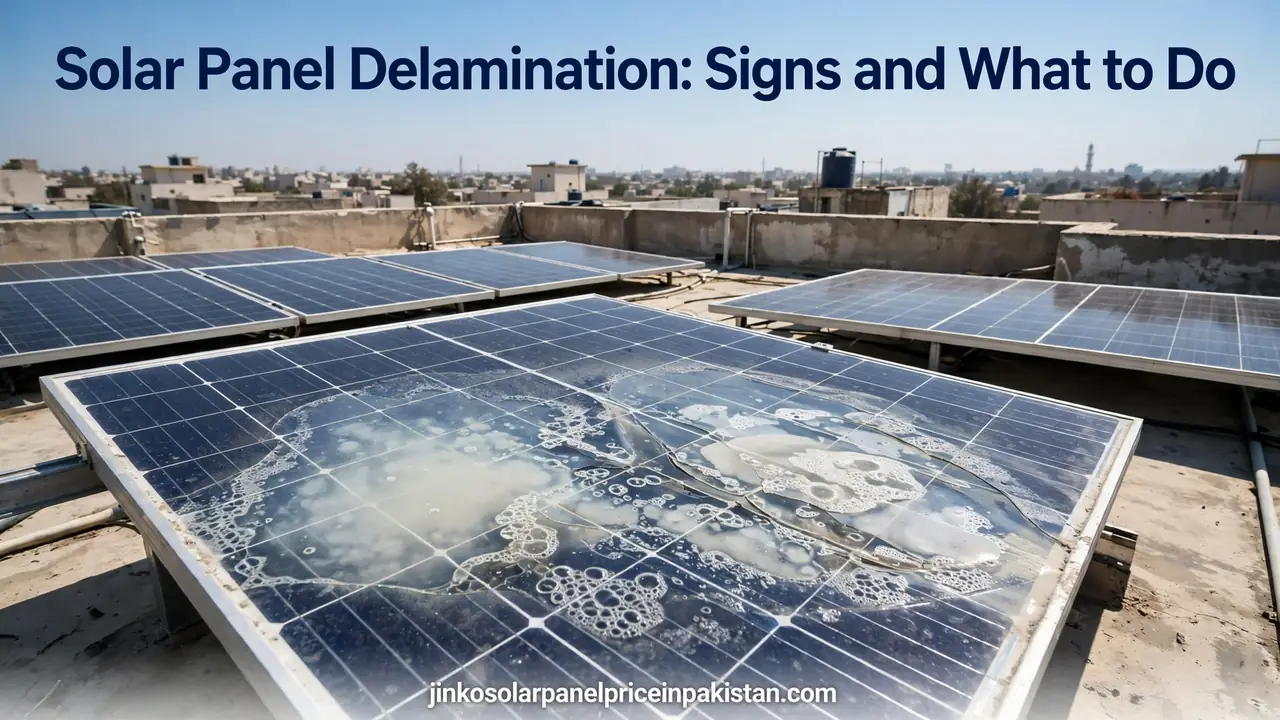
What are the signs of solar panel delamination, and what should you do about it? Delamination happens when the bonded layers inside a solar panel start to separate — the glass, the encapsulant film, the solar cells and the backsheet pull apart from each other. The most common signs are air bubbles or blisters under the glass, milky or cloudy patches on the panel surface, and the backsheet lifting and peeling at the edges. A delaminated panel lets moisture in and loses output over time, and cannot be repaired in the field — so spotting it early and starting a warranty claim is the only sensible response.
Delamination is one of the more serious panel defects a homeowner in Pakistan can face, because it is a structural failure rather than a cleaning problem. A dirty panel can be washed; a delaminated panel cannot be fixed by cleaning or resealing. It usually starts small — a faint cloudy patch near the edge of a panel, or a small bubble you only notice when the sun hits the glass at an angle — and then spreads as heat, humidity and temperature swings keep working on the weakened bond.
What Is Solar Panel Delamination?
A solar panel is a sandwich of layers bonded together under heat and pressure: tempered glass on the front, a transparent encapsulant film (usually EVA) sealing the solar cells in place, the cells themselves, another layer of encapsulant, and a backsheet — the tough polymer film that forms the rear skin of the panel. The whole stack is laminated into one sealed unit, and the edge seal keeps air and moisture out.
Delamination is what happens when the adhesion between those layers breaks down — most often between the cells and the encapsulant, or between the encapsulant and the backsheet. Once a gap opens, air and moisture get in and the separation spreads, showing up as bubbling, cloudiness or visible layer separation on the panel face. It is the opposite of a surface problem: a scratch or dust sits on top of the panel, while delamination happens inside the sealed sandwich, where you cannot reach it — which is why it is a warranty matter, not a maintenance job.
What Does Delamination Look Like? The Signs to Check For
Most delamination is visible if you know what to look for — inspect your panels a few times a year, ideally before summer and after the monsoon. These are the signs:
1. Bubbles or Blisters Under the Glass
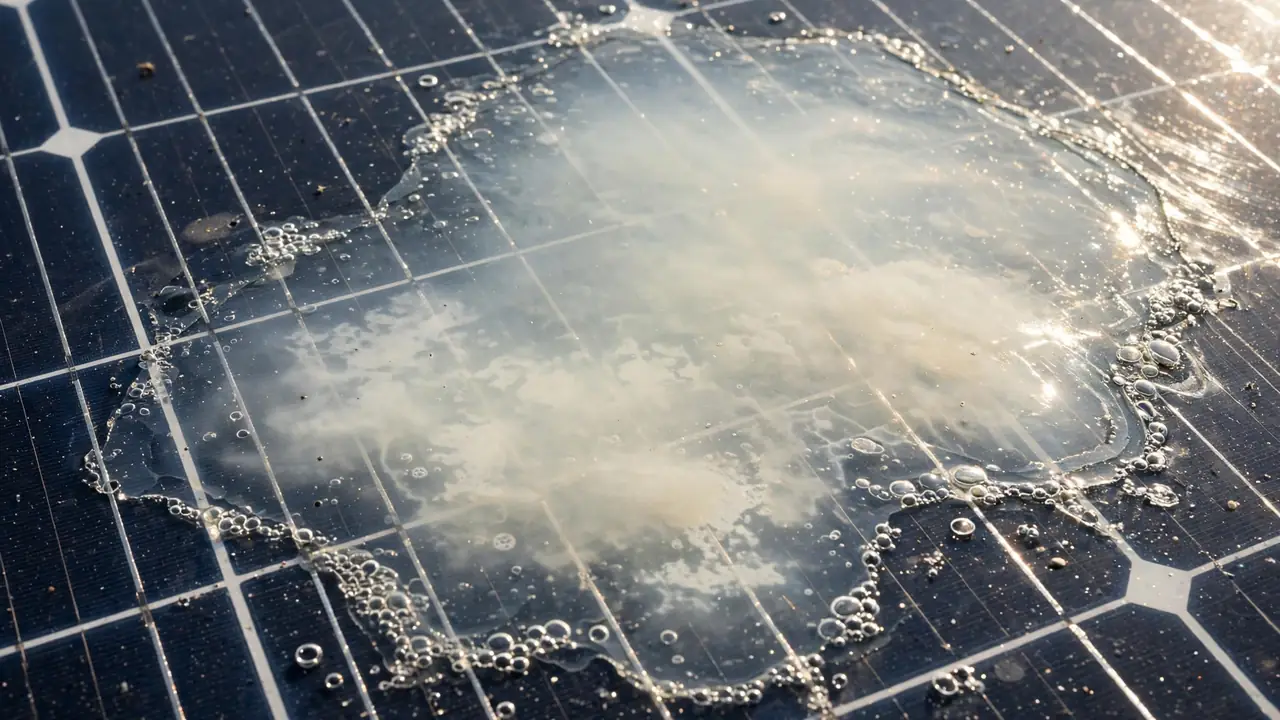
The clearest sign is a raised bubble or blister on the panel face, where a pocket of air has formed between the glass and the encapsulant. Small bubbles often appear first near the edges, then spread inward. A visible raised area that was not there when the panel was installed is a strong indicator — never press on a panel surface to test it.
2. Milky, Cloudy or Hazy Patches
Delamination often shows as a flat, milky opacity under the front glass, usually starting along the edges of the cells and spreading across the panel surface. Unlike dust or bird droppings, which sit on top of the glass and wash off, this cloudiness is underneath the glass and does not change when the panel is cleaned.
3. Peeling or Lifting Backsheet
Check the back of the panels where you can see them safely. If the backsheet — the white or black rear layer — is lifting at the corners or peeling away from the frame, the bond has failed on the rear side and the weather seal is broken, so moisture can reach the cells directly.
4. Discolouration Around the Edges
Yellowing or browning that starts at the panel edges and creeps inward can accompany delamination, as the encapsulant degrades where air and moisture have entered — different from the even, gradual discolouration of a whole panel with age.
5. A Drop in Output With No Other Explanation
Not all delamination is visible at first. If your inverter app shows one string producing noticeably less than the others, and cleaning, shading and weather do not explain it, delamination inside a panel is one of the faults to suspect. Our DIY guide to checking your solar panels’ health walks through the output checks you can do yourself before calling a technician.
Delamination vs Other Panel Defects
Delamination is easy to confuse with other defects, and telling them apart matters because the fix is different. Snail trails are thin, dark lines following the cell grid — discolouration inside the encapsulant, with the layers still bonded together. See our guide on what snail trails on solar panels mean. Hotspots are small areas of a panel that run far hotter than the rest, usually caused by shading, dirt or a failed bypass diode — the defect is heat, not layer separation. See our guide on hotspots on solar panels. Surface discolouration from UV ageing can yellow a panel without any layer separation, and the panel remains sealed. Cracked glass or micro-cracks are fractures in the glass or the cells; a crack can let moisture in and eventually lead to delamination, but a cracked panel is not automatically a delaminated one.
The practical difference: snail trails, hotspots and discolouration are problems to monitor and manage, while delamination means the panel’s sealed structure has failed.
What Causes Solar Panel Delamination?
Manufacturing Defects and Poor Materials
The most common root cause is a lamination fault at the factory: the layers spent too little time in the laminator, the temperature was uneven, or low-quality encapsulant and backsheet materials were used. Incompatible materials can hold together when new and separate after a few years of daily heating and cooling. That is why delamination is strongly associated with cheap, undocumented panels: the lamination step is where a manufacturer saves money, and the failure only shows up years later. Buying from an authorised dealer and verifying the panel before installation is the best defence — see our solar panel verification guide for Pakistan.
Heat Cycling and UV Exposure
Every day, a rooftop panel heats up in the sun and cools down at night. The glass, the cells, the encapsulant and the backsheet all expand and contract at different rates, which puts a small shear stress on the bonds between them. Over years of daily cycling on hot Pakistani rooftops, that stress fatigues the adhesive bonds. Ultraviolet radiation adds to the damage by breaking down the encapsulant and backsheet polymers, making them brittle and less able to hold.
Moisture Intrusion
Once a seal fails or a backsheet cracks, moisture gets between the layers. Water weakens the adhesive bond further and corrodes the cell connections and busbars, which is why delamination tends to accelerate once it starts: the separation lets moisture in, and the moisture causes more separation. Monsoon humidity and rain make this a particular concern in Pakistan.
Poor Handling and Installation
Rough handling during transport or installation can damage the lamination before the panel ever produces power: stepping on a panel, flexing it while carrying it, dropping it, or clamping it too tightly can all start a separation that grows over time. Panels should always be carried by the frame, never flexed, and never walked on.
How Delamination Affects Performance and Safety
The first effect is lost output. The air gap between the separated layers scatters and reflects sunlight before it reaches the cells, so less light is converted to electricity. As moisture reaches the cells and corrodes the metal connections, output falls further. The decline is gradual at first and then speeds up. Because panels in a string are wired in series, one badly affected panel also drags down the panels wired with it — catching it early limits the damage to one panel.
The second effect is safety. A delaminated panel has lost its weatherproof seal. Moisture inside the panel can corrode live electrical parts, and if the rear encapsulant separates from the cells, the junction box can loosen — in the worst case creating an arc fault risk. This is not a fault to watch and wait on: a delaminated panel should be assessed by a technician promptly, and if you smell burning or see scorch marks near a panel or junction box, switch the system off at the AC and DC isolators and call your installer immediately.
What to Do If Your Panel Is Delaminating
Delamination cannot be repaired in the field. No sealant, tape or coating restores the bond between the layers, and attempting a home repair can void the warranty and create a safety hazard. The right response is a short, documented process:
- Document it. Photograph the affected panel from several angles, including close-ups of the bubbles, cloudy patches or peeling backsheet. Note the panel’s serial number from the label on the back, and record the date you first noticed the problem.
- Contact your installer or dealer first. They sold the panel and are the first point of contact for a warranty claim. Give them the photographs, the serial number and your purchase invoice.
- Start the warranty claim. Delamination caused by a manufacturing or material defect is normally covered under the product warranty. Our Jinko solar panel warranty guide explains the two parts of a panel warranty and how a claim works in Pakistan. Keep your GST invoice and warranty card — a claim without them is very difficult.
- Do not keep running a badly delaminated panel. If the separation is widespread, the backsheet is peeling, or there is any sign of burning, have the panel isolated or removed by a technician — a failed seal is a safety risk, not just a low-output panel.
- Replace, don’t repair. For panels with widespread delamination, replacement is the practical answer — and the replacement should be verified and inspected before it goes on the roof.
How to Prevent Delamination When Buying Solar Panels
Delamination is mostly decided at the factory, so prevention is mostly about buying right:
- Buy Tier-1 panels from authorised sellers. Established manufacturers test their lamination and materials, and their warranties are actually honoured. Undocumented panels sold far below the market rate are the ones most likely to delaminate.
- Verify before you pay. Match the serial number on the panel label with the datasheet and the warranty card, and check the number on the brand’s official verification page. A panel that cannot be verified should not go on your roof.
- Inspect every panel on delivery. Look at the glass, the backsheet and the frame of each panel before installation. Reject any panel with bubbles, cloudy patches or a lifting backsheet — it is far easier to replace a panel on the ground than on the roof.
- Insist on careful installation. Panels must be carried by the frame, never stepped on or flexed, and clamped to the manufacturer’s specification. Ask the installer to leave airflow under the panels, which keeps them cooler.
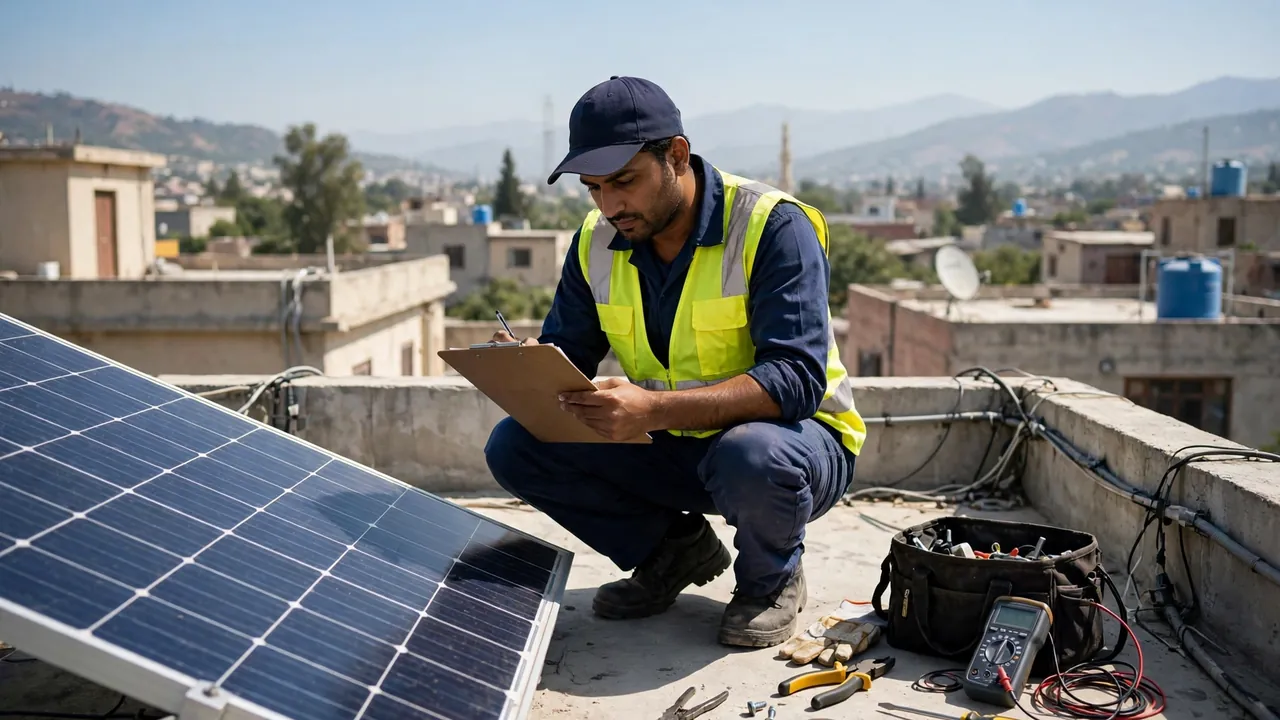
- Keep up the routine checks. A visual inspection every few months and a yearly professional check catch delamination while it is still a single-panel warranty claim. Add it to your solar system maintenance checklist.
Delamination is a serious defect, but it is largely preventable: buy documented Tier-1 panels, verify them, and inspect them regularly. For a deeper technical description, GreenLancer’s guide to common solar panel defects covers the failure in detail.
Check Current Prices
This guide is evergreen, so it does not list prices — they change with the market, and a price printed in an article is out of date within days. For today’s figures, check the updated tables on our homepage: the solar plate price in pakistan and solar panel price in pakistan tables list current panel rates by brand and wattage, and the solar inverter price in pakistan table covers inverters.
Frequently Asked Questions (FAQs)
What is delamination on a solar panel?
Delamination is the separation of the bonded layers inside a solar panel — the glass, the encapsulant film, the solar cells and the backsheet pull apart from each other. Once the bond fails, air and moisture get in, the separation spreads, and the panel loses output.
What are the signs of solar panel delamination?
The main signs are air bubbles or blisters under the glass, milky or cloudy patches that do not wash off, the backsheet lifting or peeling at the edges, discolouration starting at the panel edges, and an unexplained drop in output from one panel or string.
What causes solar panel delamination?
The most common causes are manufacturing defects and poor-quality encapsulant or backsheet materials, years of heat cycling and UV exposure on the roof, moisture getting in through a failed edge seal or cracked backsheet, and rough handling or poor installation that damages the lamination.
Can a delaminated solar panel be repaired?
No. Delamination cannot be repaired in the field — no sealant, tape or coating restores the bond between the layers. A panel with widespread delamination should be isolated by a technician and replaced, ideally through a warranty claim.
Is delamination covered under a solar panel warranty?
Yes, normally. Delamination caused by a manufacturing or material defect is usually covered under the panel’s product warranty. Keep your GST invoice and warranty card, photograph the damage, and contact your installer or dealer to start the claim.
How can I prevent delamination when buying solar panels in Pakistan?
Buy Tier-1 panels from authorised sellers, verify the serial number on the brand’s official page before paying, inspect every panel on delivery for bubbles or cloudy patches, insist on careful installation with airflow under the panels, and check your panels visually a few times a year.