
What Happens to Extra Units in Net Metering?

If your solar system makes more electricity than your home uses during the day, those extra units do not go to waste. They flow out through your bi-directional meter into the national grid, and your DISCO records them as export units. What happens next depends on when your agreement was signed, because Pakistan’s rules changed in February 2026. Under the old rules, the surplus was carried forward as a credit on your bill. Under the new net billing rules, the same extra units are valued separately, and the credit is carried to the next bill or settled quarterly. This guide explains both systems — and how to get the most value from your extra units.
The short version: extra units are never lost on the day they are made, and they are never paid to you in cash — they become a credit on your account that reduces future bills. How the credit is valued, and when it is settled, depends on your agreement and the regulations in force when you signed it. Our latest net metering policy guide explains the 2026 rule change in full.

What “Extra Units” Actually Are
Extra units are the surplus electricity your panels generate beyond what your home is using at the same moment. On a bright midday, a home system often produces far more than the house needs, and that surplus goes back into the national grid.
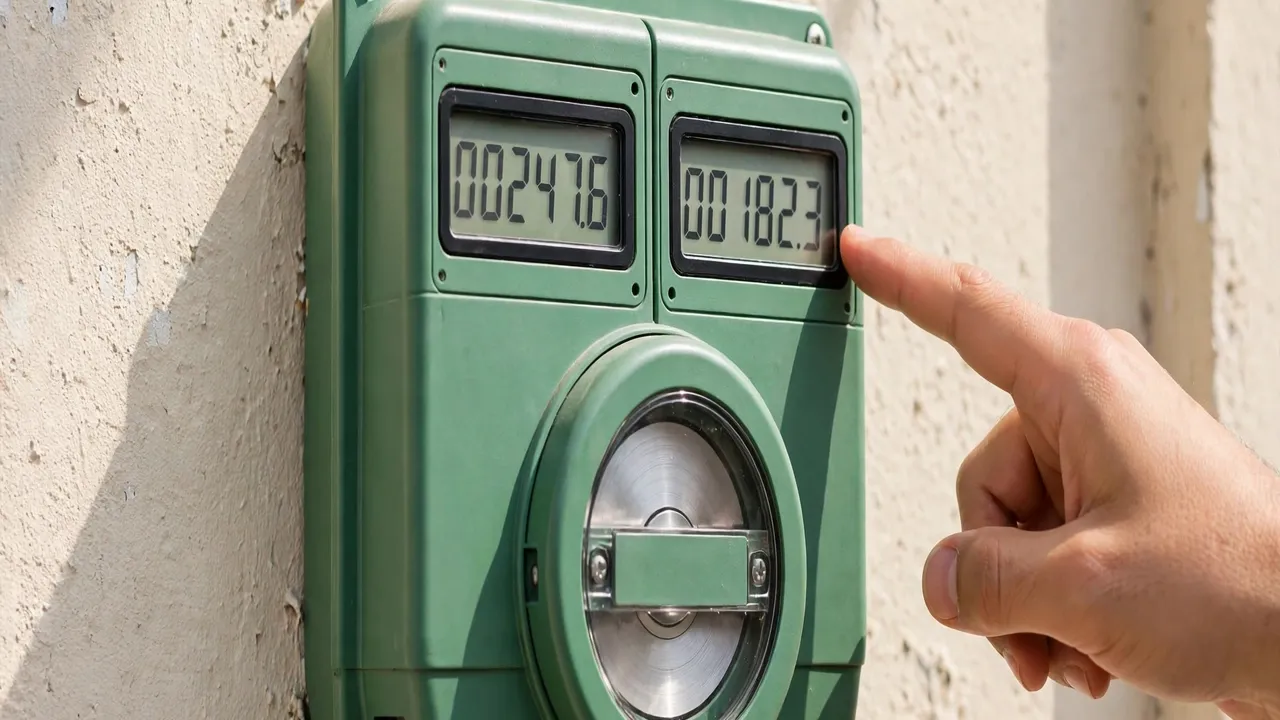
Your bi-directional meter — often called a green meter — records this flow separately from what you take from the grid. One register counts the import units your home draws from the grid, mostly at night; the other counts the export units your system sends out during the day. The two are never mixed, because the DISCO values them differently, as our guide on how net metering billing works in Pakistan explains.
Where Your Extra Units Go, Step by Step
Step 1: Your home uses what it needs first. Every unit your panels generate is offered to your home first; only the genuine surplus leaves the house.
Step 2: The surplus flows to the grid and is recorded. The extra units pass through your inverter and the meter into the DISCO’s network, and the export register counts every one.
Step 3: The bill is worked out. The DISCO compares your imported and exported units for the month: imported more than exported, you pay the difference; exported more, the surplus becomes a credit.
Extra Units Under the Old Net Metering Rules
If your agreement was signed before 9 February 2026, you are on the old net metering system, which keeps the old treatment until it expires. Your exported units offset the units you import, and any surplus at month end is recorded as a credit on your account and carried forward to the next billing cycle.
Two things are worth remembering. First, the credit is measured in units, not in money: it reduces the units you are charged for in a later month. Second, it is not refunded in cash — it stays on the account and is used against future charges.
This protection lasts until your agreement expires, and can end earlier if you materially change the system — for example, adding panels or fitting a bigger inverter. Check with your DISCO before expanding.
Extra Units Under the New Net Billing Rules
On 9 February 2026, NEPRA notified the Prosumer Regulations 2026, repealing the 2015 net metering regulations and replacing net metering with net billing for new connections.
Under net billing, import and export are priced separately, not cancelled out unit for unit. Units you draw from the grid are billed at your normal tariff, and extra units you export are credited separately at the national average energy purchase price — the wholesale-based rate NEPRA sets for exported electricity. Because that rate is lower than the retail tariff, an exported unit is worth less than a unit you use yourself.
The surplus credit still carries forward: if your export credit in a month is worth more than your import bill, the difference is carried to your next bill or settled quarterly. The credit is not lost at month end, but it is a money credit at the export rate — not a unit-for-unit swap. See our guide on the latest electricity unit price in Pakistan.
Old Net Metering vs New Net Billing: Extra Units Compared
| What happens | Old net metering (agreements before 9 Feb 2026) | New net billing (agreements after 9 Feb 2026) |
|---|---|---|
| How extra units are valued | Offset against imported units, one for one | Credited separately at the national average energy purchase price |
| What the surplus becomes | A credit in units on your account | A money credit on your account at the export rate |
| Does the surplus carry forward? | Yes, to the next billing cycle | Yes, to the next bill, or settled quarterly |
| Paid out in cash? | No | No — carried forward or settled against bills |
| Agreement term | Seven years | Five years |
Do Extra Units Expire?
Extra units do not vanish at month end. Under both rules, a surplus is carried forward rather than wiped out, so a big export month can still help your bill months later.
But “carried forward” is not “lasts forever”. Under the old rules an unused credit simply stays on the account; under net billing it is carried to the next bill or settled quarterly. The exact treatment is in your net metering agreement, so read the settlement clause. And a credit is only useful against future bills: a home that exports far more than it ever imports builds a balance it cannot use up — a sign the system is oversized.
Why the Units You Use Yourself Are Worth More
Under both systems, a unit you use directly from your own panels is worth more than a unit you export. On the old rules, an exported unit only offset an imported unit, while a self-consumed unit was never bought at all. On the new rules, the gap is wider: an exported unit earns the lower export rate, while a unit you use yourself saves the full retail tariff.
So size a system to your daytime use first and treat export as a bonus. Running heavy appliances during sunshine hours — the washing machine, the water pump, the iron — uses your own generation directly instead of sending it to the grid at the export rate and buying it back at night. See our guide on how to calculate your home’s electricity load for solar for your daytime figure, and our comparison of net metering for 5kW vs 10kW systems for how size changes the balance.
Batteries change the same calculation: instead of exporting the surplus, a hybrid system with storage keeps it for the evening — see our solar inverter buying guide for Pakistan. For a home without batteries, the grid itself acts as the storage, as our guide to net metering without batteries explained describes.
What Happens to Your Credit If You Move House or Remove the System
The credit from your extra units lives on your electricity account, not in your pocket — and it is tied to the connection where the system is installed. It does not travel with you if you move: a new connection means a new account, and any credit balance on the old account is a matter for the DISCO that holds it. Before you shift or close a connection, ask the DISCO office, in writing, what happens to the credit balance.
If the system is removed or the agreement ends, the settlement of any remaining credit is decided by the agreement itself. Read the settlement clause before you sign anything that ends it, and keep copies of your last few bills as proof of the credit balance.
4 Ways to Get More Value From Your Extra Units
You cannot change the export rate, and the DISCO will not pay cash for your surplus — but you can change how much of it you use yourself.
1. Run heavy appliances in sunshine hours. Shift the washing machine, water pump, and iron to midday. Every unit used directly is saved at the full tariff instead of exported at the lower rate.
2. Size the system to your daytime use. A system matched to your daytime use exports only the genuine surplus. A much bigger system earns credit more slowly than most people expect, because every extra unit is valued at the export rate. Check the sanctioned load on your bill before you choose a size — our guide on what sanctioned load means in net metering explains the limit.
3. Read the bill every month. Check the import units, export units, and carried-forward credit line. A credit that never changes, or disappears without explanation, is worth a query at the DISCO office.
4. Consider storage only if it suits you. A battery lets you use the evening’s electricity from your own daytime surplus instead of importing it at night. It is not right for every home, but under net billing it is the main way to keep the full value of your extra units.

What to Do If Your Extra Units Are Missing From the Bill
Sometimes the bill does not show the extra units your system made. Work through these checks before you visit the DISCO.
Check the inverter first. The inverter display shows how much your system generated. If generation looks normal but the bill shows no export, the problem is on the meter or connection side, not the panels.
Check the meter registers. Both registers on the bi-directional meter should be moving. If the export register has not moved since the last reading, the meter may not be configured for export. And until the bi-directional meter is installed, exported units are not recorded at all — if the old meter is still on the wall, chase the meter installation, not the bill.
Take your bills to the DISCO. Take the last two or three bills, your reference number, and a copy of the net metering agreement, and ask for the billing record to be checked against the meter readings. Keep a written record of the visit — the date, the officer, and any complaint number given.
The regulator behind all of this is NEPRA, the National Electric Power Regulatory Authority, which sets the framework for crediting exported units.
Check Current Prices
Once you understand what happens to your extra units, the next question is usually what a system costs — and whether a bigger system, or a battery to store the surplus, is worth it. See the latest daily-updated tables on our homepage, including the current solar plate price in pakistan, the solar panel price in pakistan for leading brands, and the solar inverter price in pakistan for a hybrid inverter with storage — before you ask an installer for a final quote.
Final Word
What happens to extra units is straightforward once you know which rules your agreement falls under. The surplus your panels make is recorded by your bi-directional meter, credited to your electricity account, and carried forward against future bills — never paid in cash, and never lost at month end. On an old agreement, the surplus offsets your imports unit for unit; on a new agreement under the 2026 net billing rules, it is credited at the export rate and carried to the next bill or settled quarterly. Either way, the units you use yourself during sunshine hours are worth more than the units you export — so size the system to your daytime use, run heavy appliances while the sun is up, and read the bill every month to make sure every extra unit is counted.
Frequently Asked Questions (FAQs)
What happens to extra units in net metering in Pakistan?
Extra units are the surplus electricity your solar panels generate beyond what your home uses during the day. They flow out through your bi-directional meter into the grid and are recorded as export units on your account. The surplus becomes a credit on your electricity bill and is carried forward to later bills — it is never paid to you in cash.
Do extra solar units expire or get wasted?
No, extra units do not vanish at the end of the month. Under both the old net metering rules and the new net billing rules, a surplus is carried forward rather than wiped out, so a big export month can still help your bill months later. The exact treatment, including what happens to any remaining credit when an agreement ends, is set out in your net metering agreement.
Do I get paid cash for extra units I export?
No. Under both the old net metering rules and the new net billing rules, surplus exported units are never paid out in cash. They become a credit on your electricity account that is adjusted against your future bills. Under net billing, the credit may also be settled quarterly.
What happens to extra units under the new net billing rules?
Under the Prosumer Regulations 2026, which apply to agreements signed after 9 February 2026, import and export are priced separately. Units you draw from the grid are billed at your normal tariff, and extra units you export are credited separately at the national average energy purchase price. If your export credit is worth more than your import bill, the difference is carried to your next bill or settled quarterly.
Are extra units worth the same as the units I import?
No. Under the old net metering rules, an exported unit offset an imported unit one for one. Under the new net billing rules, an exported unit is credited at the lower export rate, while a unit you use yourself saves you the full retail tariff. That is why the units you consume directly during sunshine hours are worth more than the units you export.
What happens to my extra-unit credit if I move house?
The credit lives on your electricity account and is tied to the connection where the solar system is installed, so it does not travel with you automatically. A new connection means a new account. Before you shift or close a connection, ask your DISCO office, in writing, what happens to the credit balance.
How can I use my extra units better instead of exporting them?
Run heavy appliances such as the washing machine, water pump, and iron during sunshine hours, so your own generation is used directly instead of exported at the lower rate. Size the system to your daytime use, read the bill every month to check the credit line, and consider a battery if you want to keep the surplus for the evening instead of exporting it.