
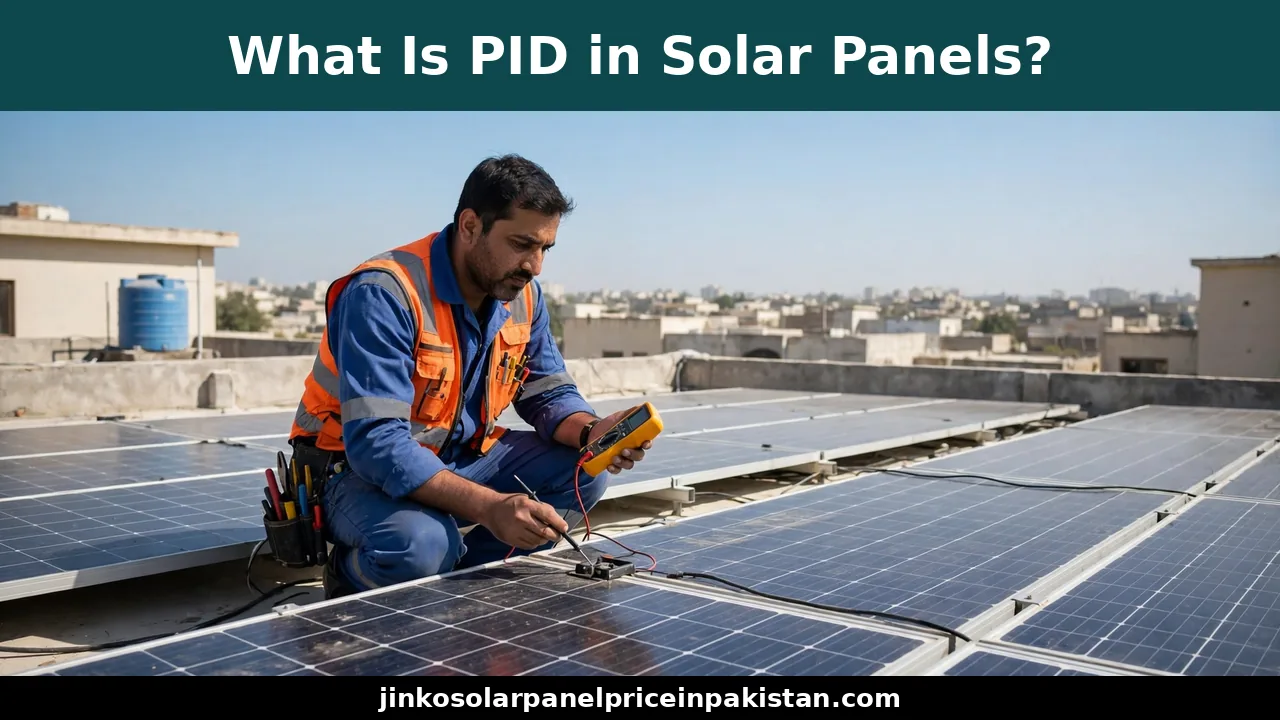
What Is PID in Solar Panels? (Potential Induced Degradation)

Direct answer: PID in solar panels is a slow power loss caused by unwanted electric currents inside the panel: a voltage difference between the solar cells and the grounded metal frame pushes tiny stray currents through it. Over time, those currents move charged particles into the cells, and the cells start leaking power instead of producing it. A panel hit by PID can lose up to 30% of its output, and in severe cases even more.
So what is PID in solar panels, in simple words? Think of a slow leak in a water pipe: the panel still works and looks fine from the outside, but month by month it produces less and less electricity.
The good news: PID can be prevented by buying the right panels and setting the system up correctly, and often it can even be reversed. This guide explains what it is, what causes it, and how to spot and stop it.
What Is PID in Solar Panels?
PID stands for potential induced degradation, a power loss that affects crystalline silicon solar panels — the type used in almost every home system in Pakistan. First described in research published in 2010, it is now a well-known problem in the solar industry. The effect is well documented: the Wikipedia overview of potential-induced degradation puts the typical power loss at up to 30 percent.
Every solar panel works at a voltage, and in a normal home system the panels are wired in long strings that can sit at 600 volts or more. The metal frame is connected to earth (grounded) for safety.
That creates a voltage gap between the live cells and the grounded frame. Usually it causes no harm — but when heat, moisture, and certain materials line up together, tiny stray currents start flowing across it, and those currents are what cause PID.
What is PID in solar panels, in plain English?
Imagine the panel as a sandwich: glass on top, a clear plastic layer called the encapsulant under it, and the solar cell itself under that, with a thin coating on it.
The stray currents push sodium ions — tiny charged particles that come from the glass itself — through the encapsulant and the coating until they reach the cell. When those ions pile up on the cell surface, the cell starts leaking electricity instead of sending it to your inverter.
The panel still looks normal. The glass is not cracked. But its output quietly drops.
PID usually has no visible effect: you cannot see it by looking at the roof. The first sign is almost always in the numbers — the system produces less than it should, and cleaning the panels does not fix it.
How PID Damages a Cell, Step by Step
Here is the chain of events, in order:
- The string voltage builds up. Panels wired in series add their voltages, so panels at the negative end of a long string sit at a large negative voltage to the grounded frame.
- Stray currents start flowing. The voltage gap drives tiny leakage currents from the cells toward the frame, through the glass, the encapsulant, and the coatings.
- Sodium ions drift to the cell. Ordinary solar glass contains sodium, and stray currents carry its sodium ions through the plastic encapsulant layer onto the cell surface.
- The cell starts leaking. The ions disturb the cell’s electric field, so instead of pushing current out to the inverter, the cell leaks some of it away. Voltage and fill factor fall first, then overall power.
- Output drops over months. PID is slow: it can take months or years to show up, and it worsens the longer the panel runs under high voltage in hot, humid conditions.
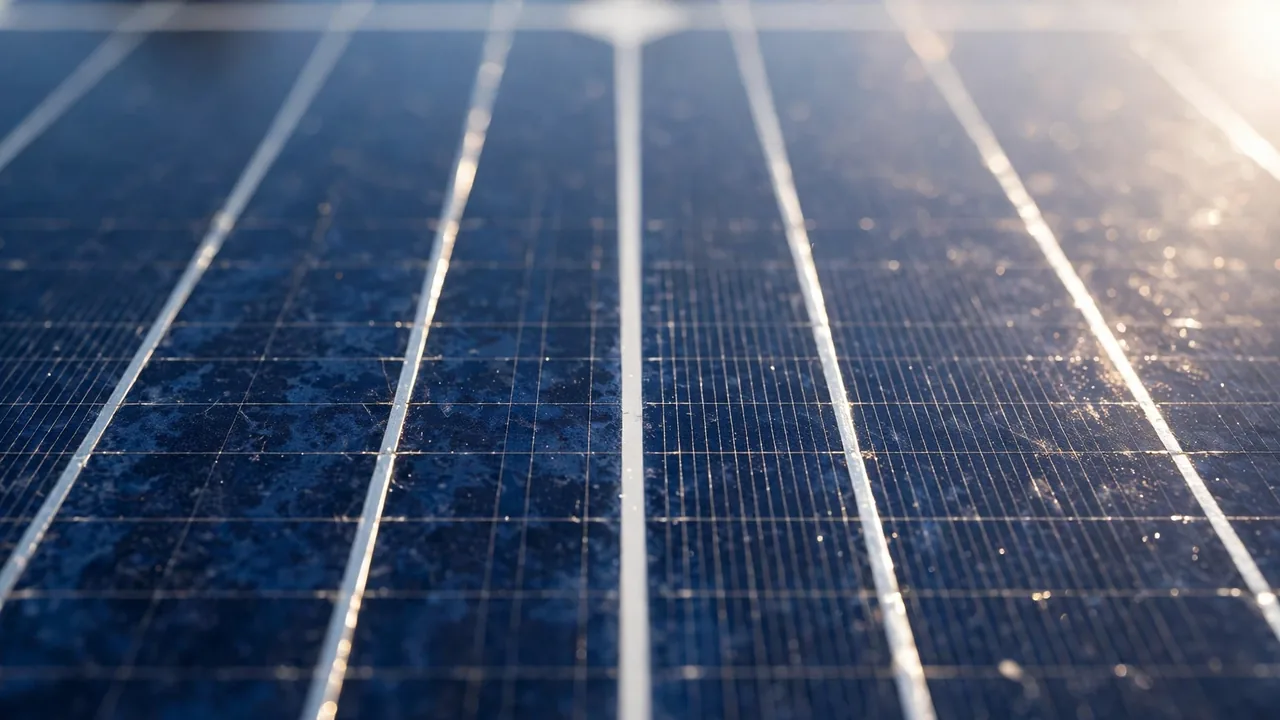
The key point: PID is driven by voltage, not sunlight — unlike other types of panel degradation, compared below.
What Causes PID in Solar Panels?
When people ask what is PID in solar panels caused by, the honest answer is that it rarely has one cause — several risk factors line up at once, some from the site, some from the panel, and some from the wiring.
High system voltage
Voltage is the engine of PID: the higher the string voltage, the bigger the gap between the cells and the grounded frame, and the stronger the push on the stray currents. Modern systems run at 1000 volts, larger ones at 1500, while a short string on a small home system runs much lower.
Heat and humidity
Heat and moisture speed up PID more than any other site factor: moisture gives the ions an easy path, and heat makes them move faster. Research links PID strongly to relative humidity above 60% with high temperature — a combination Pakistan gets every summer.
The materials inside the panel
Not all panels are equally at risk: three material choices matter — the glass, the encapsulant, and the cell coating. Glass with a high sodium content feeds more ions into the process. An encapsulant with low electrical resistance lets ions pass through easily, while better encapsulants block them.
That is why two panels that look identical can behave very differently: what is inside decides how PID-resistant they are.
Grounding and inverter setup
Earthing matters too: PID mostly strikes panels at a negative voltage compared to ground. Transformerless inverters, common in modern grid-tied systems, can leave the string floating at a voltage that encourages PID — while microinverters are not affected, because the voltage on each panel is far too low.
The Two Types of PID
There are two types. PID-s (shunting) is the most common and most harmful: sodium ions create tiny short-circuit paths through the cell and cut its power. PID-p (polarization) comes from charge building up on the cell surface; it is often reversible and can disappear on its own. The shunting type is the one to worry about, because it can cause lasting damage.
How to Tell If Your Panels Have PID
PID is hard to spot from the ground, but there are clear warning signs if you know what to look for:
- Unexplained output drop. The system produces noticeably less than in the same season last year, even after cleaning and with no new shade on the roof.
- One string lags behind the others. In a multi-string system, the string at the negative end underperforms while the others are fine — a classic PID fingerprint.
- Voltage falls more than current. PID cuts open-circuit voltage and fill factor first, so voltage dropping while current looks normal points toward PID rather than dirt or shade.
- Lab tests confirm it. Proper diagnosis uses an IV curve test, electroluminescence imaging, or infrared thermography, which show the damage at cell level.
Do not guess: a drop in output can also come from dust, shade, a faulty inverter, or a loose connection. Check those first — clean the panels, check for new shade, and look at the inverter display.
PID vs LID vs LeTID: What Is the Difference?
PID is one of three well-known degradation effects. The other two sound similar, but they have different causes:
| Effect | What drives it | When it happens | Can it be reversed? |
|---|---|---|---|
| PID (potential induced degradation) | High voltage between cells and grounded frame | Over months or years of operation | Often, with a reverse-voltage device, if caught early |
| LID (light induced degradation) | Sunlight on new cells | In the first hours and days of sun exposure | No — it settles at a small, stable loss |
| LeTID (light and elevated temperature induced degradation) | Sunlight plus high temperature | Over months or years, mainly in newer cell types | Partly — it can recover slowly over time |
The takeaway: LID is a small, fixed loss on new panels, while PID keeps getting worse unless something is done about it.
How to Prevent PID
Prevention is far easier than repair, and most of it happens before installation, when you choose the equipment:
- Buy PID-resistant panels. Choose modules tested against the IEC 62804 standard for PID resistance, and ask the seller for the test report or the PID-free claim in writing — a verbal promise is not enough. Our guide on how to verify an original solar panel explains how to check you are getting the genuine product.
- Use the right inverter. An inverter with a transformer, or one with a built-in PID prevention mode, grounds the string in a way that stops PID from starting — ask your installer whether the inverter you are buying has this function.
- Get the grounding right. Proper earthing of the frames, structure, and inverter is part of PID prevention — our solar panel earthing and grounding guide covers what a correct setup looks like.
- Fit an anti-PID device from day one. A small reversal device applies a gentle reverse voltage to the panels at night, stopping the ions from building up. Fitting it at installation time is the easiest and most effective prevention.
- Consider microinverters for small systems. Because each panel runs at a low voltage with a microinverter, PID cannot start at all.
- Keep the panels cool and dry underneath. Good airflow keeps panels cooler, and clean, well-drained mounting keeps moisture away from the frames.
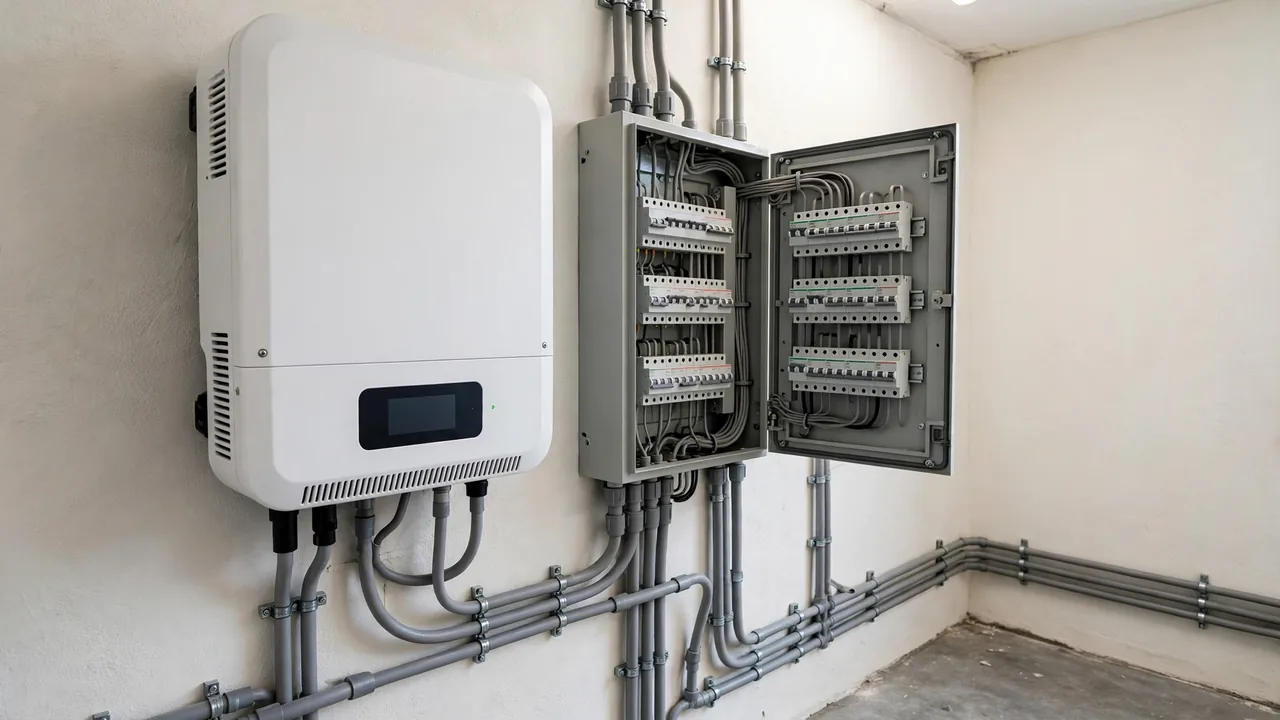
None of this is expensive next to the system itself: a PID-resistant panel costs little more than an ordinary one, and the anti-PID device is a small part of the project. The expensive mistake is finding out about PID three years later.
Can PID Be Reversed?
Whether what is PID in solar panels can be reversed depends on how early it is caught. The standard recovery method applies a reverse voltage to the affected panels at night, when they are not producing power, pushing the sodium ions back out of the cells so the panels can recover much of the lost output.
There are limits: if PID has run for a long time, the cell damage can become permanent. That is why early detection matters — the same treatment that fully recovers a one-year-old problem may only partly help a four-year-old one.
If recovery does not work, the options are to replace the worst-affected panels or live with the reduced output. Before spending money on either, get a proper test — an IV curve or electroluminescence image — so you know whether the problem is really PID and how bad it is.
PID in Pakistan: Why It Matters Here
For anyone asking what is PID in solar panels and whether it matters in Pakistan, the short answer is yes: summer rooftop temperatures push panel cells far above their rated temperature, monsoon humidity regularly sits above the level where PID speeds up, and coastal cities like Karachi add salty, humid air to the mix.
Add the long high-voltage strings in modern systems, and the conditions for PID are all present — so buyers should ask the right questions before paying:
- Are these panels tested for PID resistance (IEC 62804), and can I see the report?
- Does the inverter have a PID prevention or grounding mode?
- Will an anti-PID device be fitted at installation?
- How will we monitor output so that a slow drop gets noticed early?
Panels lose a little output every year even without PID — our solar panel degradation rate guide explains the normal rate of loss. PID is different: it is faster, it is uneven across the array, and it can be prevented.
If your system is losing output faster than the normal rate, ask your installer to check for PID before assuming the panels are ageing. And if you are planning a new system, the solar inverter buying guide for Pakistan will help you choose equipment that keeps PID out.
Check Current Prices
PID affects what any system actually produces, whatever brand you choose — so when you budget for panels, check the solar panel price in pakistan on our daily-updated homepage tables, and compare the solar plate price in pakistan and the solar system price in pakistan there too. A PID-resistant panel costs little extra, and it protects the output you are paying for.
Frequently Asked Questions (FAQs)
What is PID in solar panels?
PID stands for potential induced degradation. It is a slow power loss in crystalline silicon panels, caused by stray electric currents that push sodium ions from the glass into the solar cells. The cells then leak power instead of producing it. A panel hit by PID can lose up to 30% of its output, and in severe cases even more.
What causes PID in solar panels?
PID is caused by a combination of high string voltage, heat and humidity, the materials inside the panel, and the grounding and inverter setup. High voltage drives stray currents, moisture and heat speed the ions up, sodium-rich glass and low-resistance encapsulant let ions pass easily, and transformerless inverters can leave the string at a voltage that encourages PID.
How do I know if my solar panels have PID?
Look for an unexplained output drop that cleaning does not fix, one string underperforming while the others are fine, and voltage falling while current looks normal. A proper diagnosis uses an IV curve test, electroluminescence imaging, or infrared thermography, which show the damage at cell level.
Can PID in solar panels be reversed?
In many cases, yes, if it is caught early. Applying a reverse voltage to the affected panels at night pushes the sodium ions back out of the cells, and the panels can recover much of the lost output. If PID has run for a long time, the cell damage can become permanent, and replacement may be the only option.
How can I prevent PID when buying solar panels?
Choose modules tested against the IEC 62804 standard for PID resistance and ask the seller for the test report in writing. Use an inverter with a transformer or a built-in PID prevention mode, get the earthing done properly, and fit an anti-PID device at installation time. Microinverter systems are not affected by PID at all.
What is the difference between PID and LID?
PID is driven by high voltage between the cells and the grounded frame, and it develops over months or years of operation. LID (light induced degradation) is driven by sunlight on new cells and happens in the first hours and days of sun exposure, settling at a small, fixed loss. PID keeps getting worse unless something is done about it; LID does not.
Does PID affect all solar panels?
PID mainly affects crystalline silicon panels, which are the type used in almost every home system in Pakistan. The risk depends on the string voltage, the climate, the panel materials, and the inverter setup. Systems with microinverters are not affected, because the voltage on each panel is far too low for PID to start.