What Are LID and LeTID in Solar Panels?

Direct answer: LID and LeTID are two kinds of power loss that sunlight causes inside a solar panel. LID (light induced degradation) is a small, quick loss — usually 1 to 3 percent — in the first hours and days after a new panel first sees the sun, and then it stops. LeTID (light and elevated temperature induced degradation) is slower and can be much bigger — building up over months and years when panels run hot in the sun, and taking 6 to 10 percent or more from badly affected panels. Both are normal physics, not a wiring fault, and both can be reduced by choosing the right panel.
If you searched for what is LID LeTID solar panels, you are asking the right question at the right time — before you buy, or just after installation. This guide explains both in plain words: what causes each one, how much power they cost, which panels suffer most, and what to ask before you pay.
What is LID LeTID solar panels, in plain words?
They are two different light-driven power losses. LID is the small early drop on new panels. LeTID is the slow, bigger drop that heat brings over years. The table further down puts them side by side.
What Is LID in Solar Panels?
LID stands for light induced degradation. It is the small power drop that a new crystalline silicon panel goes through the first time it sits in the sun. The panel leaves the factory at full power, you install it, and within the first few hours and days of sunlight it settles a little lower — usually 1 to 3 percent lower. After that it stops.
Most panels sold in Pakistan are made from p-type silicon, and that is where LID lives. It is not a defect in one brand or a sign of a bad panel — it is a known property of the material, and one reason warranties allow a slightly bigger drop in the first year than in later years.
What causes LID?
The cause is a reaction inside the silicon. Most p-type cells are made by adding boron to the silicon, and the silicon also contains a little oxygen. When sunlight first hits the cell, the light gives energy to the boron and oxygen atoms, and they join into tiny traps called boron-oxygen complexes. Those traps catch the electric charges that sunlight creates inside the cell, and a charge that gets caught never reaches the wires — so the panel produces a little less power. Once all the traps that can form have formed, the process stops.
How much power does LID cost?
For most modern panels, LID costs about 1 to 3 percent of power. In some cases it can be more, depending on the silicon and how the cell was made. You will not see it happen — the panel looks exactly the same, with no mark on the glass. The only sign is that the system produces slightly less than it did on its very first sunny day. If output falls in the first week and then stays steady, that is LID doing its normal thing. If it keeps falling month after month, something else is going on — that is where LeTID comes in.
What Is LeTID in Solar Panels?
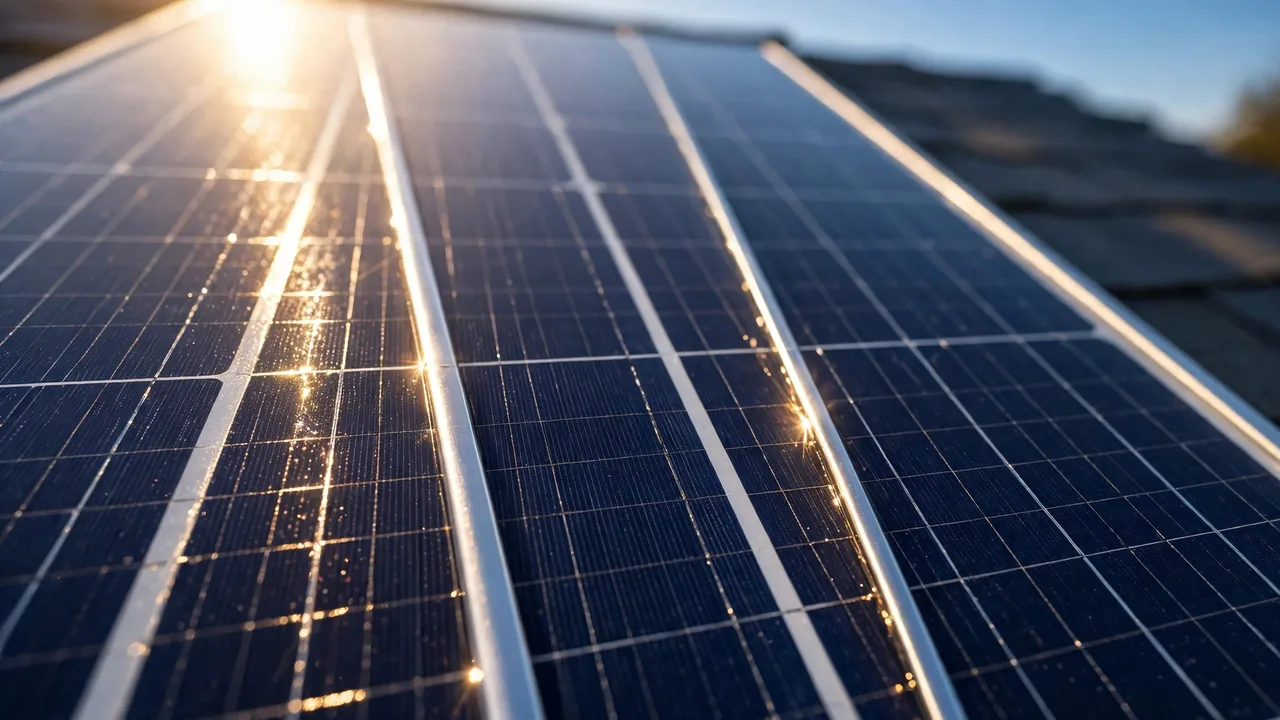
LeTID stands for light and elevated temperature induced degradation. It needs two things at once: sunlight and heat. While LID finishes in days, LeTID builds up slowly over months and years, and it can take much more power — in badly affected panels, 6 to 10 percent or more.
LeTID became a known problem when PERC cells took over the market. PERC is the high-efficiency cell design used in most panels sold today, and researchers found that some PERC panels lost far more power in hot, sunny field tests than anyone expected. The effect was named LeTID by researchers in 2015. The exact mechanism is still studied, but research links it to hydrogen inside the cell reacting with tiny defects when the cell runs hot under light. PERC cells use hydrogen in manufacturing, and that hydrogen is part of the problem.
Unlike LID, LeTID can partly reverse. After reaching its worst point, a panel can slowly recover some lost power over the following years — but the recovery is slow and not guaranteed. It usually takes months to a few years of hot, sunny operation to reach that worst point, and hot weather makes it worse, so the same panel can degrade faster on a rooftop in Sindh than in a cooler area. That slow timing is what makes LeTID easy to miss: the drop only shows when you compare this year’s output with the same months last year.
LID vs LeTID: Key Differences
If you came here asking what is LID LeTID solar panels, here they are side by side — two different problems with different timing:
| Feature | LID | LeTID |
|---|---|---|
| Full name | Light induced degradation | Light and elevated temperature induced degradation |
| What triggers it | Sunlight on new cells | Sunlight plus high temperature together |
| When it happens | First hours and days after installation | Over months and years of operation |
| How much power it costs | Usually 1 to 3 percent | Can reach 6 to 10 percent or more |
| Which panels suffer most | Boron-doped p-type silicon | P-type PERC cells, mono and multi |
| Does it recover? | No — it settles at a small, stable loss | Partly — output can climb back slowly over time |
The short version: LID is a small, fast, one-time loss on new panels. LeTID is a slow, bigger loss that grows in hot sun and may partly heal. A panel can suffer from both — LID in its first week, then LeTID over the next few years.
Which Solar Panels Suffer Most from LID and LeTID?
Not every panel is equally at risk. The cell type inside the panel decides most of it:
- P-type PERC panels — most at risk. They can suffer from both LID and LeTID, because they use boron-doped silicon and hydrogen in manufacturing. Lab tests showed mono PERC can lose around 6 percent to LeTID. This is the most common panel type on the market.
- Older p-type mono and poly panels — LID mainly. The boron-oxygen effect hits them in the first days, but they are less prone to LeTID than PERC.
- N-type TOPCon panels — largely free of classic LID. N-type silicon uses phosphorus instead of boron, so the boron-oxygen traps that cause LID do not form. Tests on commercial TOPCon modules have also shown only minor loss under LeTID testing. Our N-type TOPCon solar panels guide explains the technology in detail.
- Gallium-doped p-type panels — almost no LID. Some makers dope their p-type silicon with gallium instead of boron. Gallium does not form the same harmful complex with oxygen, so these panels show virtually no LID.
But cell type is only a clue, not a guarantee. Two PERC panels from different makers can behave very differently. The only way to know about the exact panel you are buying is the test report — see the buying checklist below.
How to Tell If Your Panels Have LID or LeTID
LID is almost impossible to spot, and there is no need to try — it is a normal one-time drop of a few percent that stops by itself. If your system produces slightly less in its second week than on day one, that is most likely LID, and nothing is wrong.
LeTID is harder, because it looks like ordinary ageing. Watch for these signs:
- A slow decline beyond normal ageing. Panels lose a little output every year even without LeTID — our solar panel degradation rate guide explains the normal rate. If your system loses output noticeably faster than that over one to three years, LeTID is a suspect.
- The drop is worst after hot, sunny years. LeTID follows heat, so a system that weakens after long hot summers fits the pattern.
- The whole array declines together. Unlike some faults that hit one string, LeTID usually affects all the panels in a similar way.
Before blaming LID or LeTID, rule out the simple causes first: dirty panels, new shade, a loose connection, or an inverter fault. If the drop is still there after cleaning, a proper test — an IV curve test or electroluminescence imaging — can show the damage at cell level.
Can LID and LeTID Be Fixed?
LID needs no fixing. It finishes by itself within days, and factories already reduce it before the panel reaches you by light-soaking the cells — exposing them to strong light under controlled conditions so most boron-oxygen traps form in the factory, not on your roof. There is nothing to do on the roof, and nothing to buy.
LeTID has no device that fixes it. Unlike PID, where an anti-PID box can push the damage back, LeTID can only partly recover on its own. If a panel is badly hit and does not recover, the only real option is to replace the worst-affected panels — expensive, which is why prevention at buying time matters far more than repair later.
How to Buy Panels That Resist LID and LeTID
Most of the protection happens before installation, when you choose the panel:
- Ask for the LID and LeTID test results in writing. Modules can be tested for LeTID under the IEC TS 63342 test, and for general qualification under the IEC 61215 series. A seller who cannot show a test report is asking you to trust a verbal promise. The Bluebird Solar guide to LID and LeTID in solar panels explains how manufacturers test for both effects.
- Read the first-year warranty figure. Most warranties allow a bigger drop in year one than in later years, and LID is one reason why. A clear first-year figure tells you what the maker itself expects.
- Consider n-type TOPCon or gallium-doped panels. If LID worries you, these two options largely avoid the boron-oxygen problem from the start.
- Buy original, verified panels. Fake or copied panels come with no real test data at all. Our guide on how to verify an original solar panel shows how to check you are getting the genuine product.
- Give the panels air. Good airflow under the panels keeps them cooler, and cooler cells suffer less LeTID. Our temperature coefficient guide explains how heat cuts panel output.
LID and LeTID in Pakistan: Why Heat Makes Them Worse
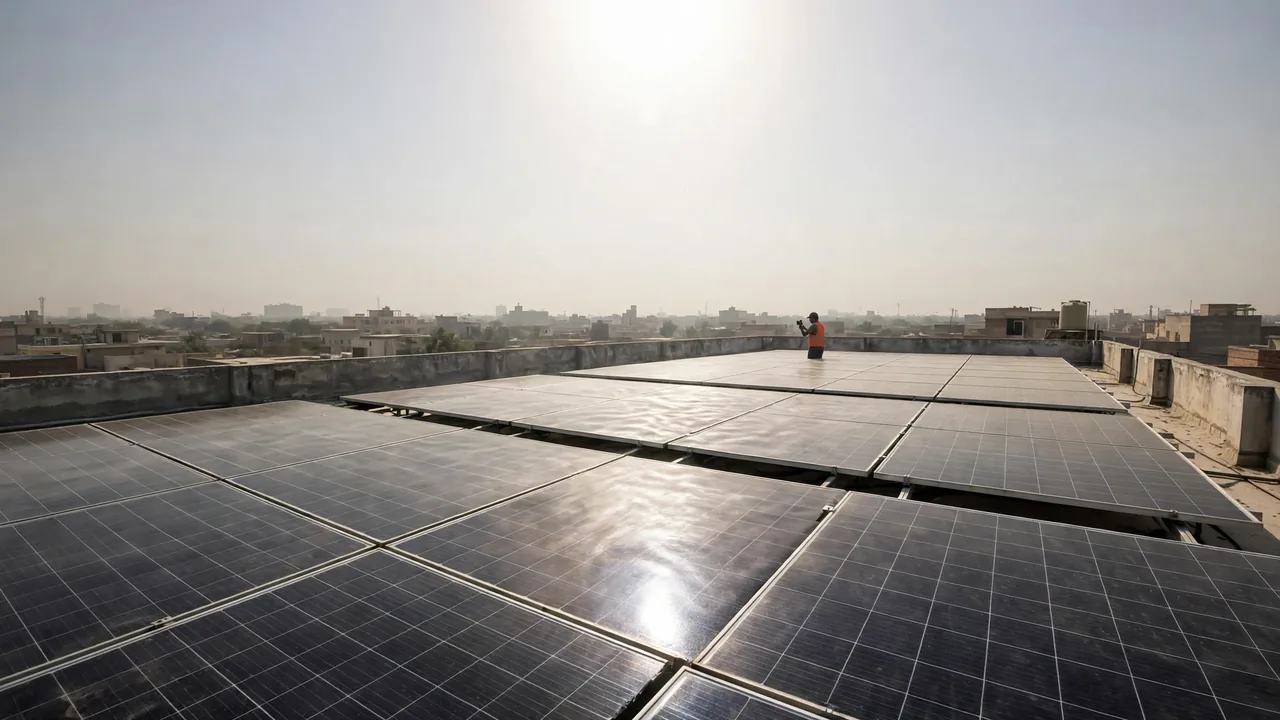
For anyone asking whether LID and LeTID matter in Pakistan, the short answer is yes — and heat is the reason. Rooftop panels here run far hotter than their rated temperature through the long summer, and LeTID is driven by exactly that combination of strong sunlight and high cell temperature. PERC panels, the type most affected, are also the type most commonly sold here.
That does not mean avoiding solar — it means buying with your eyes open. Before paying, ask the seller the cell type, the LID and LeTID test reports for the exact model, the first-year power warranty figure, and how output will be monitored so a slow drop gets noticed early.
A seller who answers clearly is selling a real product. One who waves the questions away is selling a promise. LID will cost a few percent in the first week no matter what you buy — that is normal. LeTID is the one you can largely avoid, by choosing the right panel and test report before the panels go on your roof.
Check Current Prices
LID and LeTID affect what any system actually produces, whatever brand you choose — so when you budget for panels, check the solar panel price in pakistan on our daily-updated homepage tables, and compare the solar plate price in pakistan and the solar system price in pakistan there too. A panel with proper LID and LeTID test reports costs little extra, and it protects the output you are paying for.
Frequently Asked Questions (FAQs)
What is LID in solar panels?
LID is light induced degradation — a small power drop, usually 1 to 3 percent, in the first hours and days after a new crystalline silicon panel first sees sunlight. It is caused by boron-oxygen traps forming in boron-doped p-type cells, and it stops by itself once the traps have formed.
What is LeTID in solar panels?
LeTID is light and elevated temperature induced degradation — a slow power loss that builds up over months and years when panels run hot in the sun. It mainly affects p-type PERC cells and can take 6 to 10 percent or more in badly affected panels. It can partly recover over time.
What is the difference between LID and LeTID?
LID is fast and small: it happens in the first hours and days of sunlight and costs about 1 to 3 percent, then stops. LeTID is slow and bigger: it needs sunlight plus heat, builds over months and years, can cost 6 to 10 percent or more, and may partly recover. LID hits boron-doped p-type cells; LeTID hits PERC cells hardest.
Do all solar panels suffer from LID?
No. LID mainly affects boron-doped p-type silicon cells. N-type TOPCon panels are largely free of it because they use phosphorus instead of boron, and gallium-doped p-type panels show virtually no LID. Thin-film panels are largely immune too.
Can LID be reversed or fixed?
No fix is needed — LID stops by itself within days, and factories already reduce it by light-soaking cells before the panel ships. There is nothing to do on the roof.
Can LeTID be reversed?
Partly. LeTID can slowly recover some lost power over the following years, but the recovery is slow and not guaranteed. No device reverses it. If a panel is badly hit and does not recover, replacing the worst panels is the only option.
How can I avoid LID and LeTID when buying solar panels?
Ask for the LID and LeTID test results in writing (LeTID is covered by the IEC TS 63342 test), read the first-year warranty figure, consider n-type TOPCon or gallium-doped panels, and buy original verified panels from a seller who answers these questions clearly.