
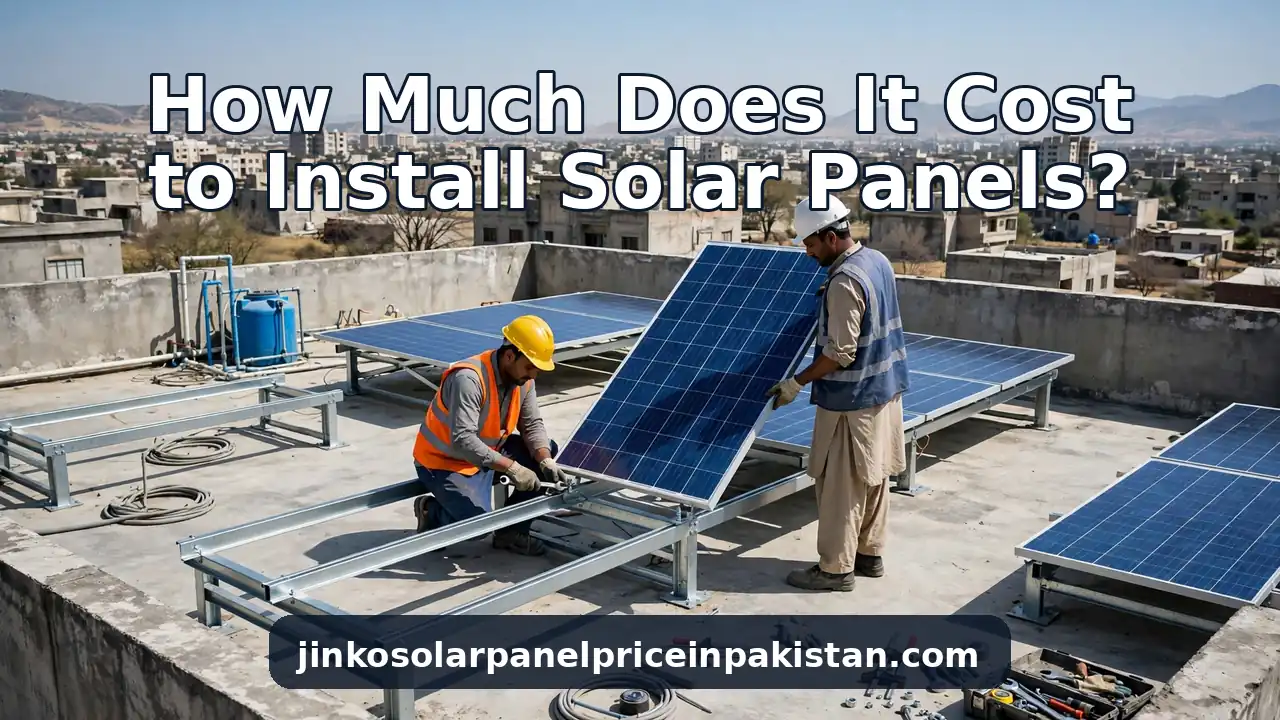
How Much Does It Cost to Install Solar Panels? Complete Guide

Installation Cost vs System Cost: The Distinction That Matters
“System cost” means everything — panels, inverter, batteries, mounting, wiring, labour and approvals. “Installation cost” means the work: the crew’s labour, the mounting structure and fixing, the cabling and breakers, and the net-metering application process. It is what you pay to turn hardware into a working, approved, grid-connected system.Our full solar system cost guide covers the hardware side — what drives the cost of panels, inverters and batteries, whether you compare the solar plates price in pakistan for a whole array or per-panel figures. This article covers the other half: the cost of getting it properly installed. An installer quoting “complete installation” should cover everything below; one quoting panels plus a rough fitting charge probably is not.How Much to Install Solar Panels
Installation cost breaks into four components. Every honest installation quote should account for each of them.Installation labour. Roof assessment, structure fixing, panel mounting, DC and AC wiring, inverter connection, earthing, testing and commissioning — done by trained electricians and a rooftop crew with safety equipment. Poor workmanship here is the most expensive saving in solar: loose mounting, undersized cabling and bad earthing are common causes of faults, and fixing them later costs far more than doing the job right the first time.Mounting structure and fixing. The galvanised steel structure, rails, clamps and anchors are hardware, but their selection and fixing are installation work — L2/L3 stands bolted or concreted to flat concrete slabs, rails on sloped roofs. What moves this component: material choice (genuine hot-dip galvanised steel versus painted mild steel), steel gauge, stainless hardware, wind design, and proper earthing. Our solar panel mounting structures guide explains the materials a sound installation must have.Wiring, protection and inverter installation. DC cabling from panels to inverter, AC cabling to the distribution board and meter, breakers, surge protection, changeover switches and earthing — plus mounting and commissioning the inverter. A hybrid inverex inverter installation is more involved than a basic on-grid unit, because it also connects a battery bank and configures backup logic. Undersized cables and missing surge protection are the shortcuts cheap installers take — invisible until something fails.Net-metering application and approvals. The installer prepares the technical documents — single-line diagrams, equipment datasheets, application forms — and submits them to the local distribution company, following through inspection and meter replacement. An installer experienced with your area’s DISCO handles this far more smoothly than one learning it on your file.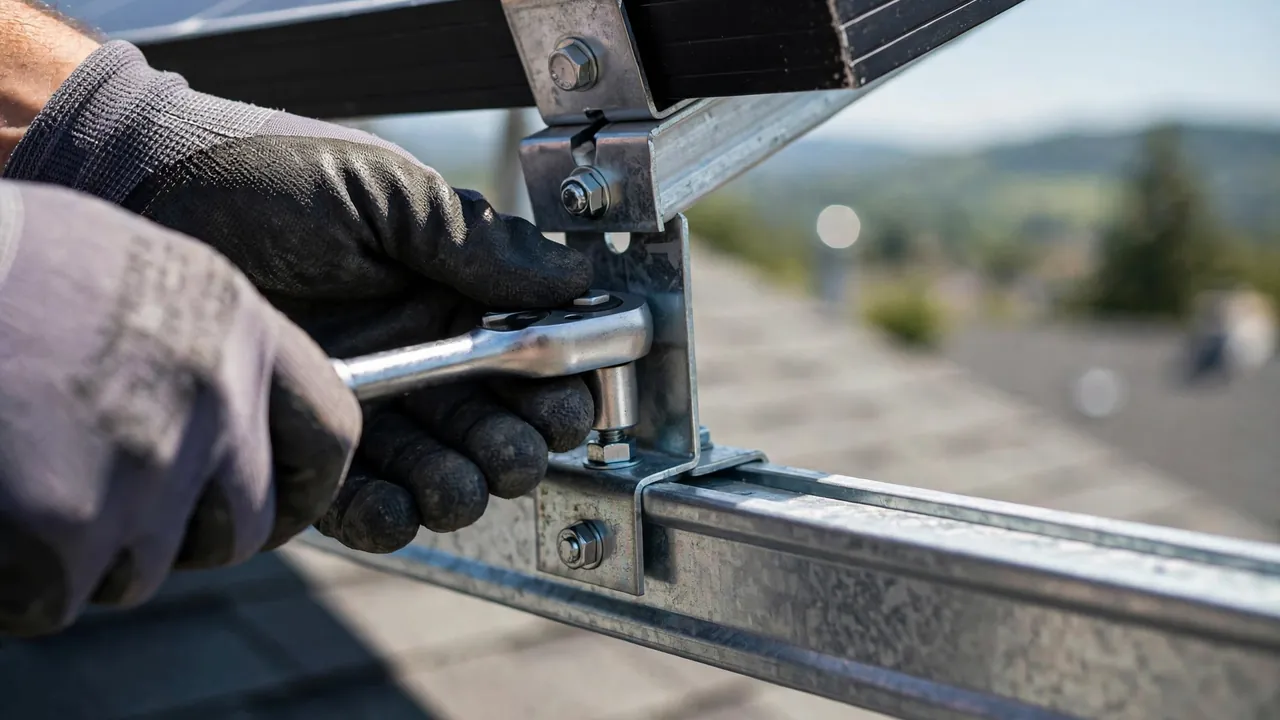
What Moves an Installation Quote Up or Down
Roof type and access. A flat concrete roof with easy stair access is the simplest, quickest job. Sloped, tiled or fragile roofs need special rails and careful waterproofing; older roofs may need structural assessment first. Difficult access and long cable runs add crew time and materials.System size and complexity. More panels mean more mounting, cabling and commissioning, so a larger system costs more to install even though the per-panel labour share often falls. Adding batteries changes the job entirely — space, heavier cabling, extra protection — and a hybrid with backup wiring is a different installation from a basic on-grid system of the same panel count. Confirm both quotes are for the same system type before comparing them.Inverter and mounting choices. String, hybrid and three-phase inverters each wire differently, and a hybrid that adds batteries later should be wired for that step from day one. The solar inverter price in pakistan tables on our homepage list the hardware side; our solar inverter buying guide for Pakistan walks through the type choice. Budget-friendly options such as the itel inverter suit smaller backup systems, while the crown inverter line is one dealers often suggest for backup-focused homes. Elevated and ground-mounted structures need far more steelwork and foundation labour than a flat-roof fixed stand.Installer certification. A certified installer with a written workmanship commitment charges for skill and accountability. Uncertified labour is cheaper because it carries neither — and for net-metering systems it can leave you with a system you cannot legally connect to the grid.City and timing. Labour rates vary between cities and move with demand. Because every line of the solar price in pakistan shifts with imports and currency, check the today solar panel price in pakistan tables on our homepage before you commit, and compare the installation side with more than one itemised quote from reputable installers in your own city.How Much Is Solar Power for Homes
For homes, the installation question is about the whole project: a system designed, installed, approved and running. Two decisions move home installation cost more than anything else.The first is the backup decision. In areas with regular load-shedding, most homes install a hybrid system with batteries — and that changes the installation: battery space and wiring, backup-load separation in the distribution board, and a hybrid inverter that needs configuring. Battery choice moves the hardware bill most: the phoenix battery price in pakistan listings cover the tubular battery most installers stock for budget backup systems, while the lithium battery price in pakistan and the dyness lithium battery price in pakistan listings sit at the premium end — each needing different wiring and space. Settle the storage choice — tubular, lithium, or niche picks like the fronus lithium battery — before the wiring plan is drawn. The inverter choice is part of this decision and should be settled before anyone quotes, or you will compare an on-grid quote with a hybrid one and wonder why they differ.The second is the roof decision. Most Pakistani homes have flat concrete roofs, which installers prefer — but layout still matters: water tanks, parapet walls and neighbouring buildings cast shade, and a good installer surveys the roof through the day before fixing a bracket. Panel choice feeds into the design: Jinko solar panels in Pakistan are widely installed on home rooftops (today’s jinko solar panel price in pakistan is on our homepage tables), and the solar panel 585 watt price in pakistan today listings cover the most common residential wattage — higher-wattage panels mean fewer frames, clamps and cable runs for the same system size. Compare the canadian solar panel price in pakistan page for another major brand’s range.Treat installation as a skilled service, not a commodity: check the installer’s certification, ask for a written workmanship commitment, confirm net-metering eligibility before work starts, and never let installation quality be the thing cut to fit a budget.How to Compare Installation Quotes the Right Way
Compare per watt, not just totals. Dividing a quote by the system’s total wattage turns differently sized jobs into comparable figures — the same approach dealers use when quoting the solar plate price in pakistan per watt. EnergySage explains that comparing installations on a per-watt basis standardises costs across different system sizes — the same principle separates the installation share from the hardware share in any quote.Demand an itemised quote. Labour, mounting structure (material and gauge), DC and AC wiring, breakers and protection, earthing, inverter installation and commissioning, battery wiring where applicable, and the net-metering application should each be listed or confirmed in writing. Ask for the per-watt solar plate rate of the panels separately from the installation charges, so you can see which side of the quote is doing the heavy lifting.Check the installer’s certification. For any grid-connected system, the installer must be certified to file the net-metering application. Ask for the certification and references — a finished rooftop you can look at is worth more than any brochure.Compare workmanship terms. What workmanship warranty does each installer give, in writing? Does the quote include the earthing test, the torque check on fixings, and a commissioning report? Two quotes can differ entirely on these invisible items.Ask what is excluded. Net-metering fees, the bidirectional meter, roof repairs found during the job, future battery additions and monitoring subscriptions are common exclusions that surface as extra bills afterwards.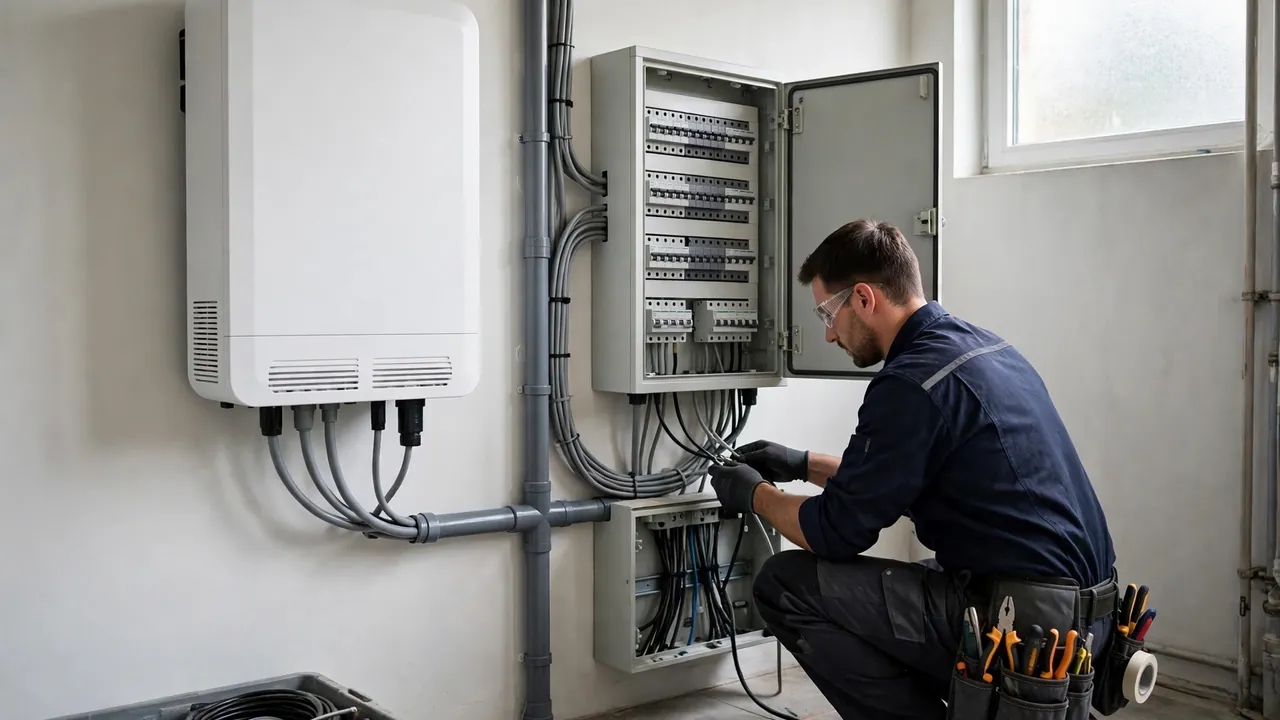
Installation in Pakistan: Local Factors
Flat concrete roofs dominate residential construction, which installers prefer — but waterproofing at every fixing point is non-negotiable through monsoon season. Many housing societies require a no-objection certificate before rooftop work begins, so confirm the paperwork before scheduling the crew.Net-metering process knowledge is the real differentiator between installers — an installer who files with your DISCO every week moves your file far faster than one doing it for the first time. Ask how many applications they have completed with your DISCO in the past year.Weather and wind shape the installation itself. Punjab’s seasonal winds and monsoon gusts punish weak fixings, and Karachi’s coastal salt air attacks unprotected steel. A proper installer earths the entire metal array to its own earth rod — on an exposed rooftop a floating metal frame is a lightning and fault hazard, so confirm the earthing point is actually connected before the crew leaves.Load-shedding patterns in your area decide the system type, and therefore the installation. Where outages are frequent, hybrid-with-batteries is the norm; where supply is stable, a simpler on-grid installation with net metering usually suffices.Final Word
Installation cost is the skilled half of going solar: labour, mounting and fixing, wiring and protection, and the net-metering approvals that make the system legal and connected. Hardware choices move the panel side of the bill — the solar panel price in pakistan and solar system price in pakistan tables on our homepage carry today’s rates — but installation quality decides whether that hardware performs safely for decades or becomes a maintenance story. Size the installation to your roof and system type, choose a certified installer, compare quotes per watt and item by item, and treat the cheapest fitting offer with the same suspicion as the cheapest panel offer.Frequently Asked Questions (FAQs)
How much does it cost to get solar panels?
Getting solar panels means hardware plus installation — labour, mounting structure, wiring and net-metering approvals. Our system cost guide covers the hardware side; this article covers installation. Compare any quote per watt and item by item, and check the solar panels price in pakistan tables on our homepage before committing.
Does the installation quote include net metering?
Not always. Some quotes include the full application — documents, DISCO submission, inspection and meter replacement — while others stop at the physical installation. Confirm in writing whether the application is included, and verify the installer is certified to file with your distribution company.
How long does a home solar installation take?
The physical installation is usually a matter of days, depending on size and roof complexity. The net-metering paperwork takes considerably longer and varies by distribution company — ask your installer for a realistic timeline for your DISCO before work begins.
Can I install solar panels myself to save on installation cost?
Rooftop electrical and structural work is not a safe DIY project: bad mounting can damage the roof and fail in high winds, and incorrect DC wiring and earthing create fire and shock hazards. A system installed by an uncertified person also cannot get net-metering approval.
What should an installation quote include?
Labour, mounting structure (material and gauge specified), DC and AC wiring, breakers and surge protection, earthing, inverter installation and commissioning, battery wiring where applicable, and the net-metering application. Anything missing is an exclusion you will pay for later, or work the installer does not plan to do.
Is installation cheaper for on-grid systems than hybrid systems?
Generally yes — an on-grid installation skips the battery bank, battery wiring and backup-load configuration a hybrid needs. But the comparison only holds for the same panel count and roof: a large on-grid system can still cost more to install than a small hybrid one.
How do I know if my installer is certified?
Ask for certification documents and recent net-metering applications completed with your distribution company — then verify. A certified installer should also provide a written workmanship commitment and references to installations you can inspect.
Does a difficult roof increase installation cost?
Yes. Sloped, tiled or fragile roofs need special mounting and careful waterproofing; difficult access and long cable runs add crew time; roofs needing structural assessment add cost and delay. A flat concrete roof with easy access is the simplest, quickest job.