
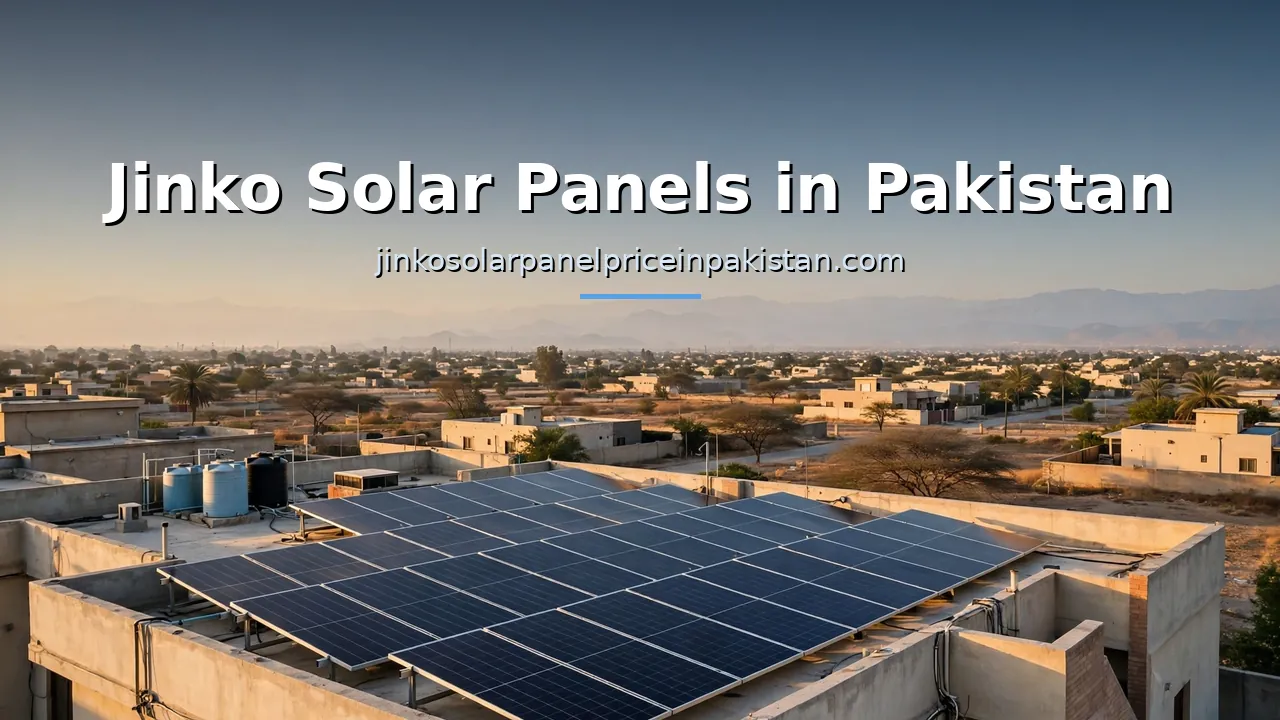
Jinko Solar Panels in Pakistan: Complete Brand Guide (2026)

Quick answer: JinkoSolar is one of the world’s largest solar panel manufacturers, and its Tiger Neo series — built on N-type TOPCon cell technology — is among the most widely installed panels on Pakistani rooftops. This guide explains the Jinko lineup, how to pick the right model and wattage for your system, how to verify a genuine panel, and what the warranty covers. It contains no prices: rates change frequently, so check the live tables instead.
Check Current Jinko Panel Prices
Solar panel prices in Pakistan move with the dollar rate, import costs and dealer stock. Our daily updated price tables list every Jinko model with per-watt and per-panel market references.
Why Jinko Is Popular in Pakistan
JinkoSolar is a Tier-1 global manufacturer with one of the largest module shipment volumes in the solar industry. In Pakistan, Jinko panels earned their reputation the hard way: on rooftops in Multan, Lahore, Karachi and Peshawar, where summer temperatures punish weaker modules. Installers recommend Jinko for three practical reasons — consistent build quality across batches, strong performance in high heat, and warranty paperwork that local importers actually honour when the documents are in order.
This page is the central Jinko hub on this site. Model-specific deep dives are linked throughout, and the daily price tables on our homepage carry the current market rates for every Jinko model.
Jinko Tiger Neo Series Explained
Almost every Jinko panel sold in Pakistan today belongs to the Tiger Neo family, which uses N-type TOPCon cell technology. N-type cells handle heat better and degrade more slowly than the older P-type PERC cells — a meaningful difference on a Pakistani rooftop, where panel temperatures in June can cross 60°C.
Tiger Neo 3.0
Tiger Neo 3.0 is the latest generation in the series, sold in Pakistan mainly in the 630–645W bifacial double-glass range. The larger format suits bigger systems: fewer panels, fewer mounting rails, and less wiring for the same array size. If your roof can fit the larger panel dimensions and your inverter accepts the higher current, the 630–645W models are the natural pick for 5–10 kW residential systems, shops and tube wells. See our Jinko 645W guide for the full breakdown.
Jinko N-Type vs P-Type — Which Should You Choose?
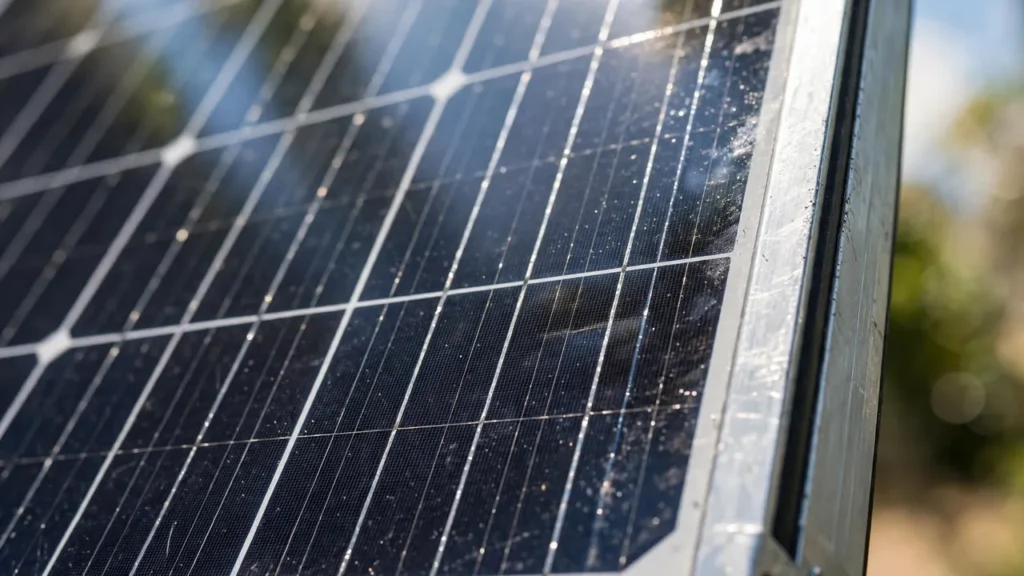
The short version: buy N-type. Jinko’s older P-type Cheetah range (540–560W) has been discontinued in the Pakistani market, and any remaining stock is old. N-type Tiger Neo panels lose less output in heat and suffer less first-year degradation than P-type, which is why installers across Punjab and Sindh now recommend them almost exclusively. For the full technical comparison, read our N-type vs P-type guide.
How to Choose the Right Jinko Wattage
Different wattages suit different roofs and system sizes. Rather than chasing the biggest number, match the panel to your system:
- Jinko 585W panel — the most common choice for Pakistani homes; a good balance of size and handling weight. Also see the 585W double-glass version.
- Jinko 600W panel — a step up for 3–5 kW systems where you want fewer panels on the roof.
- Jinko 620W panel — suits 5 kW homes; fewer panels than the 585W with a size installers can still handle comfortably.
- Jinko 645W Tiger Neo panel — ideal for 5–10 kW systems, shops and agricultural tube wells where roof or ground space is limited.
As a rule of thumb: a 5 kW system needs about eight 645W-class panels or nine 585W panels. Before choosing, confirm with your installer that your inverter’s voltage and current limits suit the panel size — larger panels carry higher current that some older inverters cannot handle in long strings. Current rates for each model are in our daily price tables.

Bifacial and Double-Glass Jinko Panels
Most Jinko Tiger Neo panels sold in Pakistan are bifacial, meaning they generate electricity from both the front and the back of the panel. Mounted at a height over a light-coloured roof, the rear side captures reflected sunlight and adds extra output at no additional panel cost. Double-glass construction (glass on both sides instead of a plastic backsheet) protects the cells better over decades and is standard on the Tiger Neo 3.0 range. If a dealer offers you a suspiciously cheap “Jinko” that is single-glass and mono-facial, check whether it is old P-type stock before comparing it with current N-type models.
Jinko Solar Panel Warranty in Pakistan
Jinko’s standard warranty package for Tiger Neo modules is typically a 12-year product warranty backed by a 25 to 30-year linear power performance warranty, depending on the exact model. Two things matter more than the headline numbers:
- The warranty must be in the importer’s name, with the distributor’s stamp — a warranty card from an unknown seller is difficult to claim against.
- Your panel serial numbers should be listed on the invoice. Without serial numbers on paper, proving your panels are covered is much harder years later.
Keep the invoice, warranty card and flash-test report together in one file. You can also cross-check warranty terms against the documents published on JinkoSolar’s official website.
How to Verify an Original Jinko Panel
Jinko is one of the most copied brand names in the Pakistani solar market. A panel that looks right can be a rejected factory batch, a relabelled no-name module, or old stock with a fresh sticker. Run these checks at the shop, before money changes hands:
- Verify the serial number on Jinko’s official checking portal — the model and wattage it returns must match the label on the back of the panel. Our step-by-step Jinko serial number check guide walks you through it.
- Ask for the flash-test report for your batch. Genuine panels show measured output at or slightly above the rated watts.
- Compare with the market per-watt rate. If a dealer quotes far below the going rate for “A-grade Jinko”, it is almost certainly B-grade, rejected or relabelled stock — check our daily price tables to know the current market band first.
- Inspect the frame and glass for scratches, bent corners and discolouration near the busbars — signs of handling damage or old stock.
Key Things to Check Before You Buy
Whatever model you choose, get these in writing on the quotation: the exact model number, the panel count, the warranty terms, and the serial numbers once the stock is allocated. Dealers adjust quotations when the dollar moves — a written quotation with the full model number keeps everyone honest. Avoid roadside sellers offering “Jinko” with no documents: that is where most fake-panel complaints originate.
Jinko vs Longi: Which Should You Buy?
Both are Tier-1 global brands, and both sell well in Pakistan. Jinko’s Tiger Neo usually holds a small edge in hot-weather output thanks to its N-type TOPCon cells, while Longi competes strongly on its HPBC cell technology. In the hot belt of south Punjab and Sindh, Jinko’s heat tolerance tends to pay back over the years; in milder areas, either brand from documented stock is a sound choice. Our detailed Jinko vs Longi comparison breaks down the trade-offs model by model.
Where to Buy Jinko Panels in Pakistan
Buy from an authorized solar panel distributor wherever possible — warranty claims go through the importer, so the seller’s paperwork matters as much as the panel. Karachi’s wholesale markets (see our Karachi wholesale market guide) usually carry the widest stock since imports land at the port, while Lahore’s Hall Road and Multan’s markets serve their regions. For current rates before you visit a dealer, see the daily updated price tables.
Frequently Asked Questions (FAQs)
Which Jinko panel is best for home use in Pakistan?
For most homes, the 585W Tiger Neo is the sweet spot — easy to handle and widely available. For 5 kW and larger systems, 630–645W Tiger Neo 3.0 panels need fewer units for the same capacity.
Are Jinko panels N-type or P-type?
Current Jinko stock in Pakistan is N-type TOPCon (Tiger Neo series). The older P-type Cheetah range (540–560W) has been discontinued.
How can I check if my Jinko panel is genuine?
Enter the serial number from the back label on Jinko’s official verification portal and confirm the returned model and wattage match your panel.
What warranty comes with Jinko solar panels?
Typically a 12-year product warranty plus a 25 to 30-year linear power performance warranty, depending on the model. Make sure the importer’s warranty card lists your serial numbers.
Is Jinko better than Longi?
Both are Tier-1 brands. Jinko Tiger Neo generally performs slightly better in high heat, while Longi’s HPBC technology is a strong alternative.
What is the difference between Tiger Neo and Tiger Neo 3.0?
Tiger Neo 3.0 is the newer generation, sold mainly in 630–645W bifacial double-glass formats with higher output per panel — better suited to larger systems where fewer panels are an advantage.
How many Jinko panels do I need for a 5 kW system?
About eight 645W panels (5.16 kW) or nine 585W panels (5.27 kW). Your installer should confirm the exact count against your sanctioned load and the inverter’s input limits.
Do Jinko panels work well in Pakistan’s summer heat?
Yes — that is one of their main selling points. N-type TOPCon cells lose less output at high temperatures than older P-type cells, which matters when rooftop panel temperatures cross 60°C in June.
