
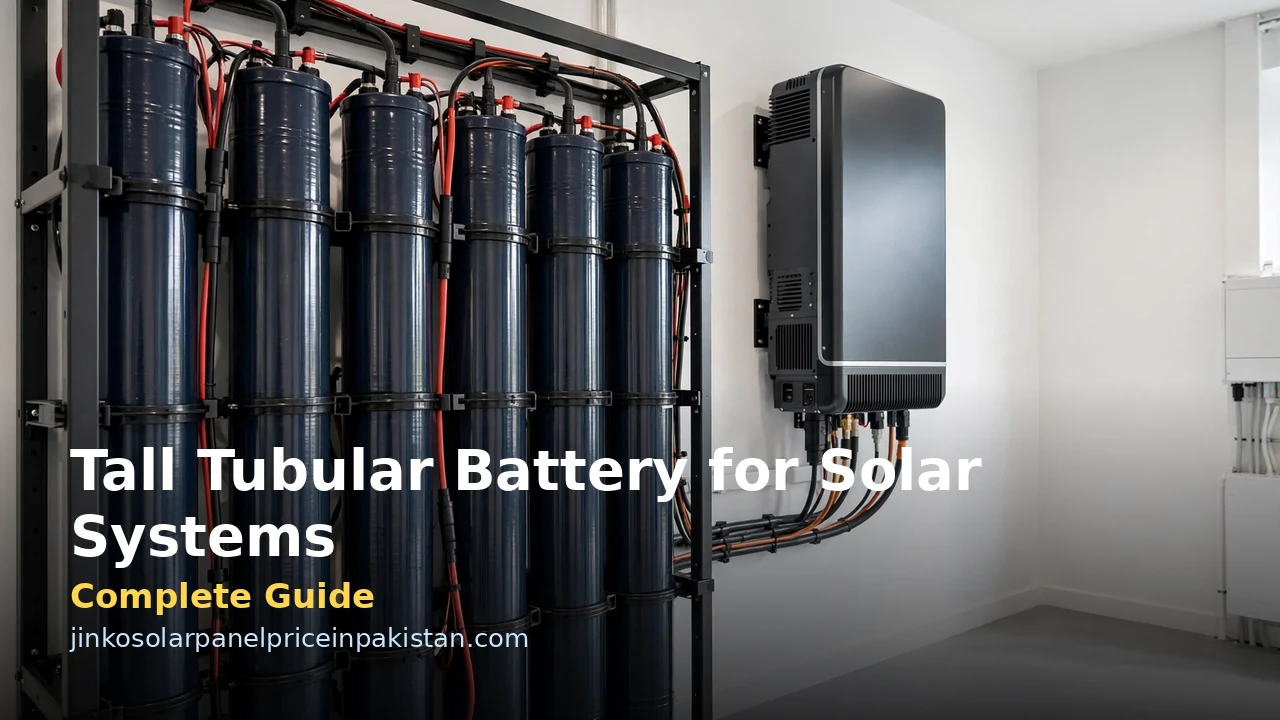
Tall Tubular Battery for Solar Systems: Complete Guide

If you are researching a tall tubular battery for solar in Pakistan, here is the short answer: it is a deep-cycle lead-acid battery with thick tubular positive plates, built to survive the daily charge-and-discharge cycles that solar systems demand. For most Pakistani homes, it remains the most practical backup battery — it tolerates deep daily cycling, handles hot weather well, and can be serviced almost anywhere in the country. Its trade-offs are real too: it needs regular distilled-water top-ups, it is heavy and bulky, and only about half of its rated capacity should be used on a daily basis. This guide explains how they work, their benefits and limitations, how to size and choose one, and how to keep it running for years.
What Is a Tall Tubular Battery?
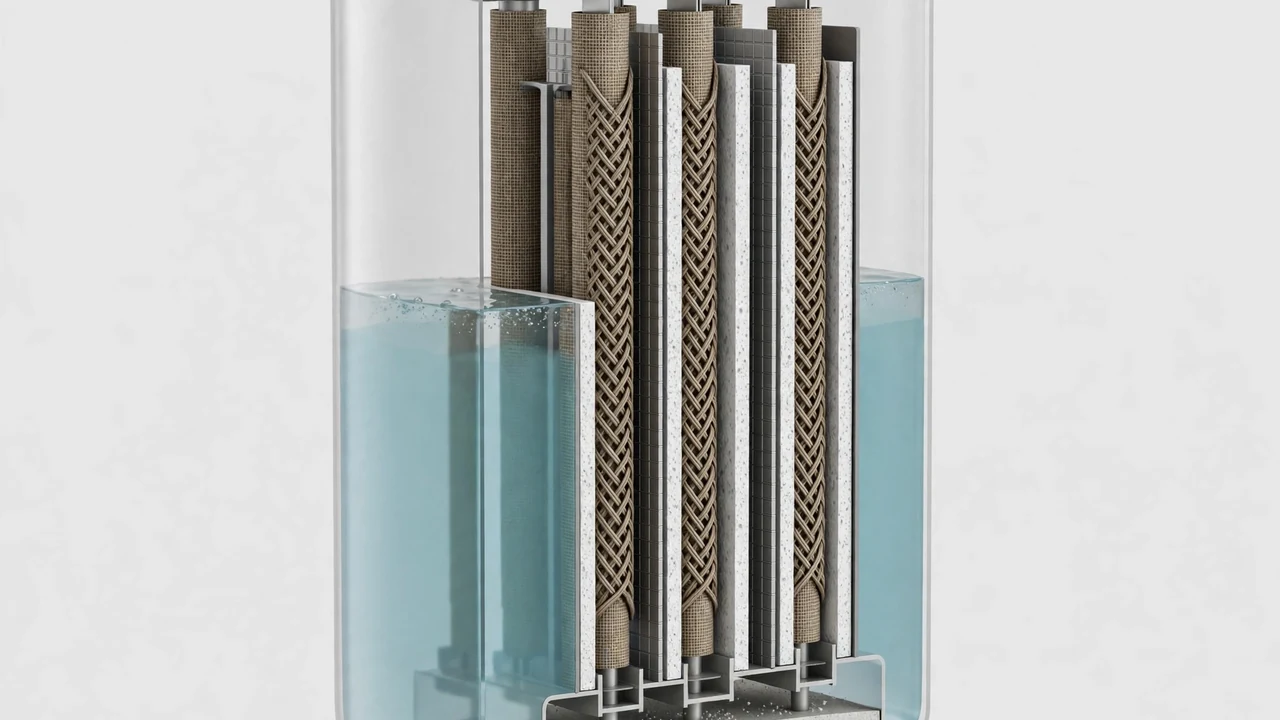
A tall tubular battery is a type of flooded lead-acid battery engineered for deep-cycle applications like solar backup. What makes it “tubular” is its positive plates: instead of flat pasted plates, the active material sits inside porous tubes (gauntlets) woven around lead spines. This keeps the active material in place through repeated charge-discharge cycles — exactly where ordinary flat-plate batteries fail in solar service.
The “tall” part refers to the container height. A taller container holds more electrolyte above the plates, which means slower water loss and less frequent topping up compared to short-container designs. Tall tubular batteries are sold as 12V blocks and are the battery type you will see most often next to hybrid and off-grid inverters in Pakistani homes.
As battery manufacturer Microtex explains in its tubular plate technology guide, the gauntlet is what makes the design work: it contains the expansion of the active material through every charge–discharge cycle, which is why tubular plates dominate deep-cycle duty worldwide.
How Tall Tubular Batteries Work in a Solar System
In a solar setup, the battery bridges daytime generation and night-time use. During the day, solar panels charge the battery bank through the inverter or charge controller; after sunset — or during load shedding — the stored energy powers your essential load. Because the battery is cycled almost every day, solar systems need deep-cycle batteries rather than starter batteries.
Tall tubular batteries are almost always paired with hybrid or off-grid inverters, because these inverter types include battery chargers with charging profiles matched to lead-acid chemistry. The inverter manages the switchover automatically: when grid power or sunlight is available, it runs your load and charges the batteries; when both are gone, the batteries take over without you touching anything.
Tall Tubular vs Other Battery Types for Solar
Understanding where tubular batteries stand against the alternatives helps you decide with confidence. For a full cross-type walkthrough, see our best battery for solar system in Pakistan guide.
Vs Lithium (LiFePO4) Batteries
Lithium iron phosphate batteries are the newer premium option, managed by a built-in Battery Management System (BMS). They last much longer, need zero maintenance, and let you use most of their rated capacity daily. Tall tubular batteries counter with proven reliability in Pakistani conditions, easy local servicing, and a much lower entry cost. Our lithium vs dry battery comparison explains the chemistry trade-offs in more detail.
Vs Dry (AGM/Gel) Batteries
Dry batteries are also lead-acid, but their electrolyte is immobilized in glass mats or gel, so they are sealed and maintenance-free. They suit installations where regular water top-ups are not possible. For daily deep cycling, however, tall tubular batteries generally deliver better cycle life, because their plate design resists the shedding that deep cycling causes.
Vs Flat-Plate Flooded Batteries
Standard flat-plate flooded batteries (including car batteries) use pasted flat plates that shed active material quickly under deep cycling. In solar service they age fast and are a false economy. Tall tubular batteries are built for exactly this duty cycle, which is why installers recommend them over flat-plate types for any daily-use solar system.
Key Benefits of Tall Tubular Batteries
- Built for daily deep cycling: the tubular plate design holds up under the charge-discharge routine that solar systems impose every day.
- Strong heat tolerance: flooded lead-acid chemistry copes well with Pakistan’s hot summers, and the tall electrolyte reservoir slows water loss in high temperatures.
- Easy to service locally: tall tubular batteries from established local manufacturers are available, repairable and replaceable in virtually every city, so you are never stranded waiting for a specialist part.
- Forgiving of imperfect charging: flooded tubular batteries tolerate a wider range of charger settings and can often recover from mild neglect with proper equalization and watering.
- Straightforward to inspect: because the electrolyte is accessible, you can actually see the water level and the condition of the cells — no guesswork about battery health.
Limitations You Should Know
No battery is perfect, and honest expectations prevent disappointment:
- Regular maintenance is mandatory: distilled-water top-ups and terminal checks are part of ownership. Skip them and the battery’s life shortens noticeably.
- Only about half the capacity is usable daily: to protect their lifespan, tubular batteries should not be discharged beyond roughly half their rated capacity on a regular basis. Size your bank with this in mind.
- Heavy and bulky: a bank of tall tubular batteries needs real floor space and a sturdy, level surface. Plan the location before you buy.
- Needs ventilation: flooded batteries release small amounts of hydrogen gas while charging, so the battery area must be ventilated and kept away from sparks or open flames.
- Lower charging efficiency than lithium: more of your solar energy is lost as heat during charging compared to lithium banks, which matters on cloudy winter days.
How to Choose the Right Tall Tubular Battery
When comparing tall tubular batteries for solar use, focus on these practical checks:
1. Match Capacity (Ah) to Your Night-Time Load
Battery capacity is rated in amp-hours (Ah) at 12V for most tall tubular blocks. Work out your night-time energy need in watt-hours first (see the sizing section below), then choose a bank whose usable capacity covers it. Because only about half the rated capacity should be used daily, a bank rated at roughly twice your usable need is the right starting point.
2. Check the Manufacturing Date
Lead-acid batteries age even on the shelf. Ask the dealer for recently manufactured stock and check the date code on the battery casing. Fresh stock holds charge better and lasts longer in service.
3. Inspect Before You Accept
Check the physical battery: casing undamaged, terminals clean and tight, caps sealed, and no signs of leakage or swelling. A reputable dealer will let you inspect before loading.
4. Read the Warranty Card Carefully
Warranty terms for tubular batteries vary between manufacturers and dealers. Read what is actually covered — manufacturing defects versus performance — and what conditions (proper installation, correct charger settings, water maintenance) the warranty requires you to meet. Keep the stamped warranty card safe; you will need it for any claim.
5. Buy from an Authorized Dealer
Counterfeit and refurbished-as-new batteries are a real problem in the market. Buy from an authorized dealer who provides a proper bill and stamped warranty, and verify the battery’s authenticity markings before installation.
Sizing a Tall Tubular Battery Bank
Wrong sizing is the most common battery mistake. Follow this simple method:
- List your night-time load in watts. Add up everything the batteries must run after sunset — fans, lights, fridge, TV, Wi-Fi router — and multiply by the hours each runs. Example: 400 W of load for 6 hours = 2,400 Wh.
- Convert to amp-hours. Divide watt-hours by your system voltage. At 48V that is 50 Ah of usable capacity; at 24V it is 100 Ah; at 12V, 200 Ah.
- Double it for tubular batteries. Since only about half the rated capacity should be used daily, 50 Ah usable at 48V means roughly 100 Ah of rated tubular capacity — for example, a 48V bank built from four 12V blocks in series, sized accordingly.
- Round up, not down. Batteries last longer and perform better when they are not pushed to their limit every night. Choose the next standard size up rather than squeezing by.
If your load grows later, adding batteries is possible, but mixing old and new batteries shortens the life of the new ones — size generously from the start.
Installation Basics
- Location: a cool, dry, ventilated spot on a level, sturdy surface — a garage corner or dedicated battery area works well. Keep batteries away from direct sunlight and heat sources, including the inverter’s exhaust.
- Wiring: batteries are connected in series to raise voltage (e.g., four 12V blocks for 48V) or in parallel to raise capacity. Keep cable lengths equal between parallel strings, use properly sized copper cables, and tighten all terminal connections — loose terminals overheat.
- Safety: wear gloves and eye protection when handling batteries, keep metal tools away from terminals, and never smoke near the bank. Flooded batteries contain acid; keep baking soda and clean water nearby during installation.
- Charger settings: set your inverter or charge controller to the flooded/tubular lead-acid profile with the manufacturer’s recommended voltages. Wrong settings — especially overcharging — are one of the fastest ways to kill a new bank.
Maintenance Essentials for Tall Tubular Batteries
The routine is simple but non-negotiable:
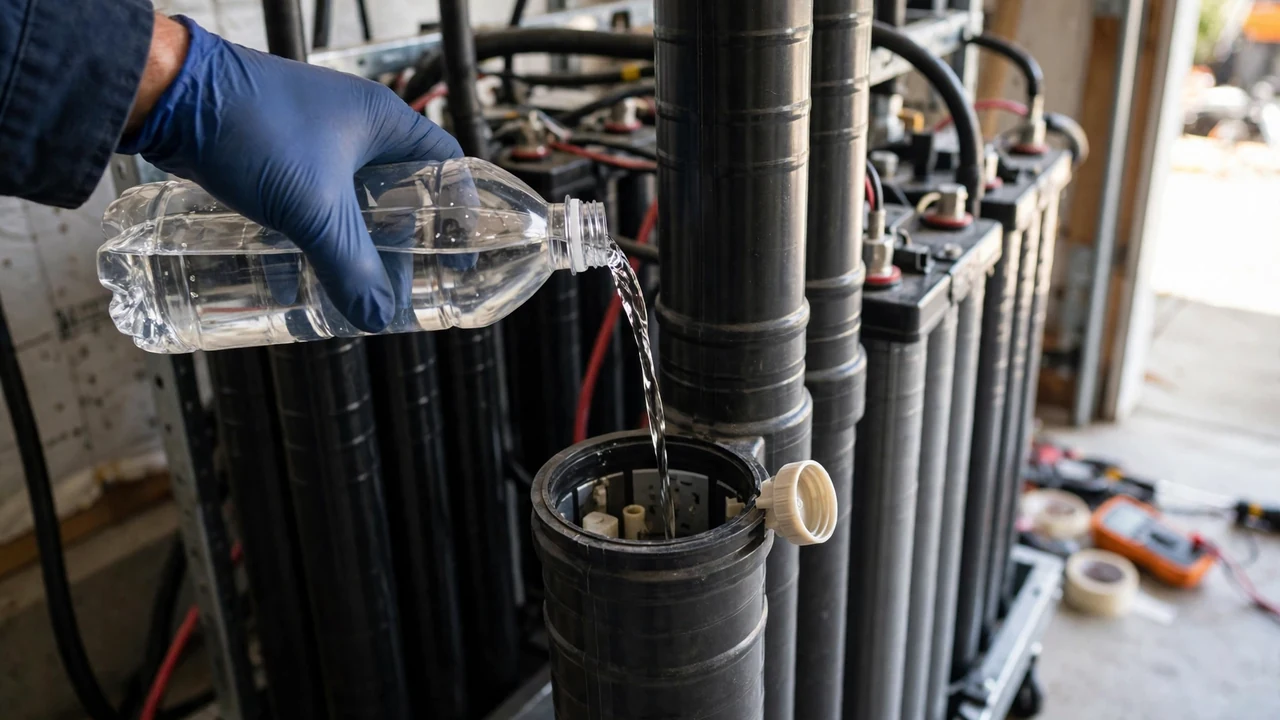
- Top up with distilled water only. Check electrolyte levels regularly — monthly in summer — and top up with distilled water so the plates stay submerged. Never use tap water or acid for topping up.
- Keep terminals clean and tight. Corrosion on terminals creates resistance, heat and voltage drop. Clean terminals with a brush, apply a thin layer of petroleum jelly, and keep connections snug.
- Watch the charge settings. Confirm your inverter’s bulk, absorption and float voltages match flooded tubular requirements. Chronic undercharging causes sulfation; chronic overcharging boils off water.
- Avoid letting the battery sit discharged. Recharge promptly after deep discharges — a battery left flat starts sulfating, which permanently reduces capacity.
- Equalize occasionally if your charger supports it. A controlled equalization charge balances the cells and breaks down early sulfation — follow your inverter manual for when and how.
How Long Does a Tall Tubular Battery Last?
A well-maintained tall tubular battery typically serves for several years in daily solar use. What decides the exact lifespan is mostly in your hands:
- Depth of discharge: the shallower your daily discharge, the longer the battery lasts. Regularly draining the bank deeply ages it much faster.
- Temperature: heat accelerates internal corrosion. A battery in a cool, ventilated spot outlives one placed next to a hot wall.
- Water maintenance: plates exposed above the electrolyte sulfate and lose capacity permanently. Consistent top-ups are the cheapest life-extender there is.
- Charge discipline: correct voltages, full recharges, and no chronic over- or under-charging keep the chemistry healthy.
Signs your tubular battery is nearing the end include noticeably shorter backup hours, needing water far more often, a swollen casing, or low-voltage warnings even after a full day of charging.
Common Mistakes to Avoid
- Using car batteries for solar: starter batteries are built for short bursts, not daily deep cycling — they fail quickly in solar service. Always use deep-cycle batteries rated for solar use.
- Mixing old and new batteries: the weakest battery drags the whole bank down. Replace banks as a matched set.
- Undersizing the bank: running heavy appliances on a small bank means deep discharges every night and early failure.
- Ignoring water levels: the number-one killer of tubular batteries in Pakistan is simply neglected top-ups.
- Wrong inverter settings: a charging profile meant for a different chemistry damages the batteries — always match the profile to the chemistry.
Check Current Prices
Battery prices in Pakistan move with the dollar rate, import duties and demand, so any fixed figure goes stale fast. Our homepage carries daily updated solar price tables — check today’s rates there before you buy.
Frequently Asked Questions (FAQs)
What is a tall tubular battery?
A deep-cycle lead-acid battery whose positive active material is packed inside porous tubes (gauntlets) around lead spines, instead of flat pasted plates. The tubular design resists the shedding that kills ordinary batteries under daily solar cycling, which is why tall tubular batteries are the most common backup battery for home solar systems in Pakistan.
Are tall tubular batteries good for solar systems?
Yes. They are built for the daily charge-and-discharge cycles of solar use, tolerate hot weather well, and are easy to service locally. Their downsides are regular distilled-water maintenance, heavy weight, and the fact that only about half of their rated capacity should be used daily.
How long does a tall tubular battery last?
Several years with proper care. Lifespan depends on how deeply the battery is discharged each day, temperature, regular distilled-water top-ups, and correct charger settings. Shallow daily discharges and consistent maintenance extend its life noticeably.
Do tall tubular batteries need maintenance?
Yes. Check electrolyte levels regularly (monthly in summer) and top up with distilled water so the plates stay submerged, keep terminals clean and tight, and confirm the inverter’s charge voltages match flooded lead-acid requirements. Sealed dry and lithium batteries need no watering.
How many tall tubular batteries do I need for my solar system?
It depends on your night-time load, not your panel size. Add up the watts you run after sunset, multiply by the hours to get watt-hours, divide by your system voltage (12V, 24V or 48V), then double the result — because only about half of a tubular battery’s rated capacity should be used daily.
Which is better for solar: a tall tubular battery or a lithium battery?
Lithium (LiFePO4) lasts much longer, needs zero maintenance and lets you use most of its rated capacity daily, but costs more upfront and needs a compatible inverter. Tall tubular batteries are proven, easy to service locally and more affordable to buy. Choose based on budget, maintenance willingness and system design.
Can I use a car battery instead of a tubular battery for solar?
No. Car batteries are starter batteries built for short bursts of power, not daily deep cycling. They fail very quickly in solar service. Always use deep-cycle batteries rated for solar use.
What is the difference between tall tubular and flat-plate batteries?
Flat-plate batteries use pasted flat plates that shed active material quickly under deep cycling. Tubular batteries hold the active material inside gauntlet tubes, which contain expansion and resist shedding — giving them far better deep-cycle life for solar use. The tall container also holds more electrolyte, slowing water loss.
