
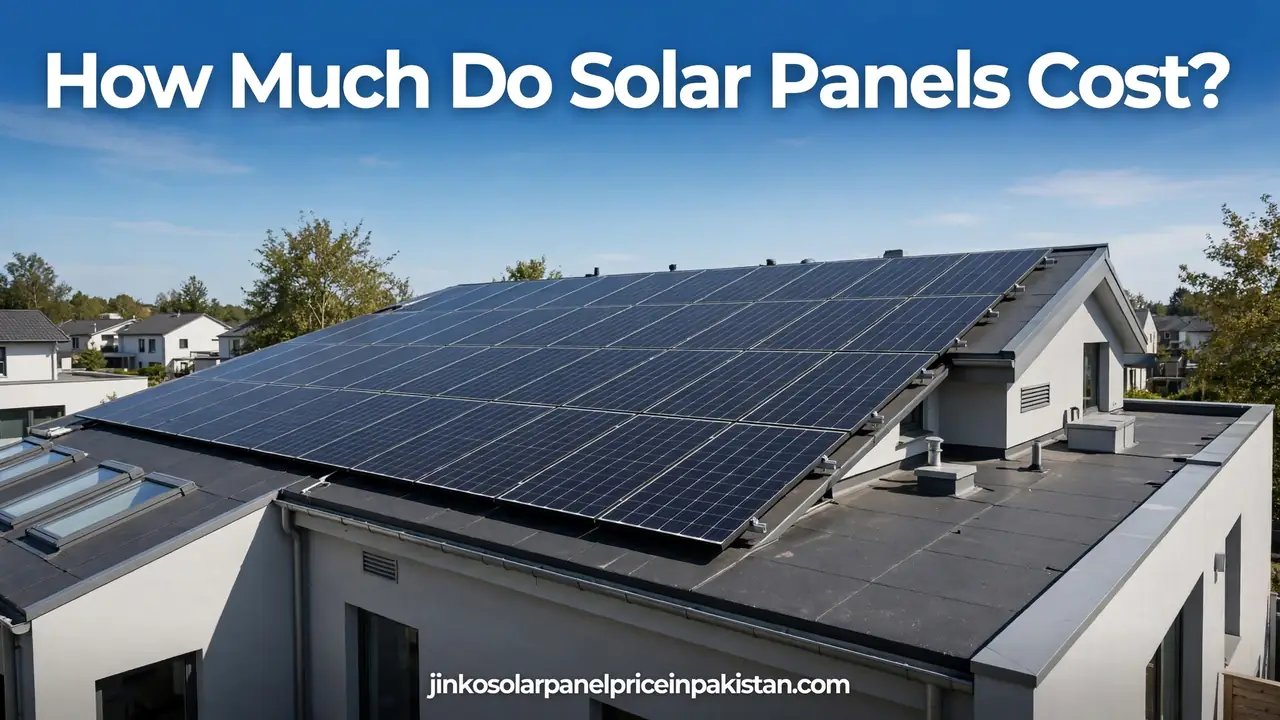
How Much Do Solar Panels Cost? Complete Guide

How much do solar panels cost? There is no single figure that fits every home, because the total depends on the size of the system, the type and wattage of the panels, the inverter, whether you add batteries, your roof type, and the installation itself. Panels alone are only one part of the bill — a complete working system costs substantially more than the panels on their own. This guide breaks down every component of solar cost, explains what moves a quote up or down, and shows how to compare quotes fairly, so you can judge any offer with confidence. For today’s panel prices, check the daily updated price tables on our homepage.
What Makes Up the Total Cost of a Solar System?
Most confusion about solar cost comes from comparing unlike things: one quote covers panels only, another covers a complete installed system. A full home solar system has six cost blocks, and every honest quote should account for each of them.
Solar panels (modules). The panels themselves are the most visible cost, but typically not the whole story. What you pay here depends on panel wattage, cell technology (such as N-type TOPCon or older P-type), whether the panel is monofacial or bifacial, the manufacturer’s tier and warranty, and whether the panels are documented A-grade stock. Our Jinko solar panel warranty guide explains how warranty length and terms relate to panel quality.
Inverter. The inverter converts the panels’ DC electricity into the AC electricity your home uses. String inverters are the standard choice for most homes; hybrid inverters, which can also manage batteries, cost more but add backup capability. Inverter quality and warranty length are major cost levers — a cheap inverter can erase the savings from cheap panels. Our solar inverter buying guide for Pakistan walks through the choice in detail.
Batteries (optional). Batteries are the single biggest optional addition. A system without batteries (on-grid with net metering) avoids this cost entirely; a system with backup storage adds a battery bank, and lithium batteries in particular are a major investment. If you are weighing storage, our types of solar batteries guide compares the options.
Mounting structure and wiring. The galvanised mounting structure, rails, clamps, DC and AC cabling, breakers, and safety devices are sometimes called the “balance of system.” They are not glamorous, but undersized or poor-quality balance-of-system parts are a common cause of faults. Our solar panel mounting structures guide explains what a sound setup looks like.
Installation labour. Certified installation — roof work, waterproofing of penetrations, electrical wiring, testing and commissioning — is skilled work, and its share of the total is significant. Poor installation is the most expensive “saving” of all, because it creates faults that cost far more to fix later.
Net metering and approvals. Where net metering is available, application and inspection processes add administrative cost and time. A quote that omits this step may leave you to handle it yourself.
It is worth knowing the long-term direction of these costs. IRENA’s research, reported by pv magazine, finds that total installed solar costs have fallen by 87% since 2010, driven by cheaper modules, inverters and batteries. Solar has become dramatically more affordable over the past decade — but today’s quote still depends on the components and choices above, not on global averages.
How Much Do Solar Panels Cost for a House?
A house system is sized to the home, not sold off the shelf, so “cost for a house” really means “cost for a system of a certain size.” Three things set that size: how much electricity the home uses, how much roof space is available and suitable, and whether the system includes battery backup.
Small homes with modest consumption need fewer panels and a smaller inverter; large homes with air conditioning, electric water heating and multiple heavy appliances need a larger array and a larger inverter. Roof orientation and shading matter too: a shaded or poorly oriented roof may need more panels to produce the same energy, which raises the total. And the battery decision changes everything — adding backup storage can increase the system total more than any other single choice.
That is why two neighbours with similar houses can receive very different quotes: different consumption, different roofs, different battery choices. Any installer who quotes a house system without asking about your electricity usage and roof is guessing, and you should treat that quote as a rough estimate at best.
How Much Does a Solar Panel Cost?
A single panel’s cost is best understood per watt, not per panel. Installers and dealers quote panels by their rated wattage multiplied by a per-watt rate, which is why a higher-wattage panel costs more in total but often less per watt than a smaller one. Comparing two panels by their sticker total alone is misleading — always compare the per-watt rate and the wattage together.
What moves the per-panel figure: wattage class (a 585W-class residential panel differs from a large-format 700W-class panel), cell technology (N-type TOPCon panels generally command more than older P-type stock), bifacial versus monofacial construction, brand tier and warranty length, and whether the stock is documented A-grade or undocumented. Two panels with the same wattage on paper can therefore sit at very different quality levels — and very different costs.
How Much Do Photovoltaic Panels Cost?
“Photovoltaic panels” is simply the technical name for solar panels — photovoltaic means converting light directly into electricity — so the cost question is the same one, asked in technical language. Everything in this guide applies equally: system size, panel technology, inverter, batteries, mounting and installation decide the total.
The term is worth knowing because datasheets, warranties and technical guides use “PV” throughout. When a datasheet lists a PV module’s wattage, temperature coefficient and degradation rate, it is describing the same panel a dealer calls a solar panel. Understanding the vocabulary helps you read quotes and datasheets without being misled by jargon.

What Else Moves a Solar Quote Up or Down?
Beyond the six cost blocks, several factors shift any quote:
Panel quality tier. Documented A-grade Tier-1 panels cost more than undocumented or B-grade stock, and the difference buys verified wattage, genuine warranties and longer life. The cheapest quote in the market is frequently cheap because something in this category has been cut.
Roof type and complexity. A flat concrete roof with easy access is simpler and cheaper to work on than a steep, tiled or fragile roof that needs special mounting and waterproofing care. Long cable runs from roof to inverter and meter also add cost.
Inverter and battery choices. A hybrid inverter plus lithium storage is a different system — and a different total — from a basic on-grid string inverter setup. Decide the backup question before comparing quotes, or you will compare systems that are not comparable.
Warranties and after-sales support. Longer product and performance warranties, and an installer who will actually answer the phone in year three, are worth paying for. A quote that is cheap because warranties are short or vague is not the same value.
City, dealer and timing. Costs vary by city, dealer and stock availability, and they move over time with imports and currency. That is exactly why this guide gives no fixed figures — and why our homepage tables, updated daily, are the right place to check today’s panel rates.
How to Compare Solar Quotes the Right Way
Use this checklist before accepting any quote:
Compare per watt, not just totals. Divide each quote by the system’s total wattage so systems of different sizes become comparable.
Demand an itemised quote. Panels (brand, model, wattage, quantity), inverter (brand, type, capacity), batteries (if any), mounting, wiring, labour, and net metering should each be listed. A single lump sum hides substitutions.
Check what is documented. Are the panels documented A-grade with serial numbers and warranty cards? Is the inverter from an established brand with local support?
Compare warranties side by side. Product warranty, performance warranty, inverter warranty and workmanship warranty are four different things — check all four.
Ask what is excluded. Net metering fees, future battery additions, roof repairs and monitoring subscriptions are common exclusions that surface later as extra bills.

How System Type Changes the Total
The same house can have three very different totals depending on the system architecture. An on-grid system without batteries is the simplest and lowest-cost configuration: panels plus inverter plus mounting and installation, with net metering handling the balance between daytime generation and night-time consumption. A hybrid system adds batteries and a hybrid inverter, which raises the total substantially but provides backup during load-shedding and outages. A fully off-grid system needs the largest battery bank of all, since it must cover nights and cloudy stretches without any grid support, and it is usually the most expensive option for a home that could connect to the grid instead.
This is why “cost of solar” questions have no universal answer: the questioner often has a different system type in mind from the person answering. Before comparing any two totals, confirm that both are for the same architecture — on-grid, hybrid or off-grid — with the same battery capacity. A hybrid quote and an on-grid quote are not two prices for the same thing; they are prices for two different systems.
Solar Cost in Pakistan: Local Factors
Several factors are specific to the Pakistani market and worth understanding before you accept a quote. Net metering rules and approval processes affect both cost and timeline, and an installer experienced with the local distribution company’s process will handle this more smoothly than one who is not. Import and currency movement means panel and inverter availability and rates shift over time, which is another reason fixed figures in guides go stale quickly — and why current market tables matter more than any printed number.
Roof construction in Pakistan is commonly flat concrete, which is generally installer-friendly, but older or weaker roofs need structural assessment before mounting. Load-shedding patterns in your area decide whether battery backup is a luxury or a necessity, and that single decision moves the total more than panel brand does. Finally, city and dealer variation is real: the same components can be quoted differently in Lahore, Karachi and Islamabad depending on stock, transport and dealer margins. Getting more than one itemised quote from reputable installers in your own city is the most reliable way to find the fair level for your area.
When the Cheapest Quote Is a Warning Sign
A quote far below the market should prompt questions, not celebration. Common explanations include undocumented or B-grade panels, an undersized inverter, thin mounting hardware, no battery where one was implied, vague warranties, or installation by uncertified labour. Each of these “savings” tends to return as lost output, faults or early replacement — usually at greater expense than the original saving. The right goal is not the lowest quote but the lowest cost per unit of electricity over the system’s full life.
Final Word
Solar cost is a system question, not a panel question. Size the system to your actual consumption, choose documented quality components, compare quotes per watt and item by item, and treat the cheapest offer with healthy suspicion. And because panel rates move with the market, check today’s figures on our homepage before you commit — a guide can explain what drives cost, but only current market data can tell you what it is today.
To compare what today’s market offers, check the solar panels price in pakistan for full systems and the solar panel price in pakistan for panels on our homepage’s daily tables.
Frequently Asked Questions (FAQs)
How much are solar panels?
Panels alone are only part of the total. A complete system also includes the inverter, mounting structure, wiring, installation labour and, optionally, batteries and net metering. Compare quotes per watt and item by item, and check today’s panel rates on our homepage tables.
How much are solar panels for a house?
A house system is sized to the home’s electricity usage, roof space and orientation, and whether battery backup is included. Because those vary, two similar houses can receive very different quotes. An itemised quote that lists panels, inverter, batteries, mounting and labour is the only fair basis for comparison.
How much are solar panels for homes?
The same factors apply: system size, panel technology and wattage, inverter type, battery backup, roof complexity and installation quality. ‘For homes’ quotes should always state whether they cover panels only or a complete installed system.
How much solar panels cost?
There is no single figure. Total cost depends on system size, panel type and wattage, inverter, batteries, mounting, roof type and installation. This guide breaks down each component so you can judge any quote on its parts rather than its lump-sum total.
How much does solar panels cost?
This is the same cost question in different wording, and the answer is the same: it depends on the full system specification, not on panels alone. Compare any two quotes per watt and check that both include the same components and warranties.
How much is a solar panel?
A single panel is priced by its wattage multiplied by a per-watt rate, so higher-wattage panels cost more in total but often less per watt. Wattage class, cell technology, bifacial or monofacial construction, brand tier and documented A-grade status all move the per-panel figure.
How much is solar panels?
As a plural phrasing this usually means the panels for a whole system rather than one panel. In that case the answer covers the full system: panels plus inverter, mounting, wiring, installation and any batteries. Always confirm whether a quote is panels-only or a complete system.
What is included in a full solar system cost?
Six blocks: solar panels, inverter, batteries (optional), mounting structure and wiring, installation labour, and net metering and approvals. Every honest quote should account for each block that applies to your system.
Why do two quotes for the same house differ so much?
Usually because the systems are not identical: different consumption and roof, different panel and inverter quality, battery or no battery, different warranties, or different exclusions such as net metering. Itemised per-watt comparison is the only way to see which quote is genuinely better value.