
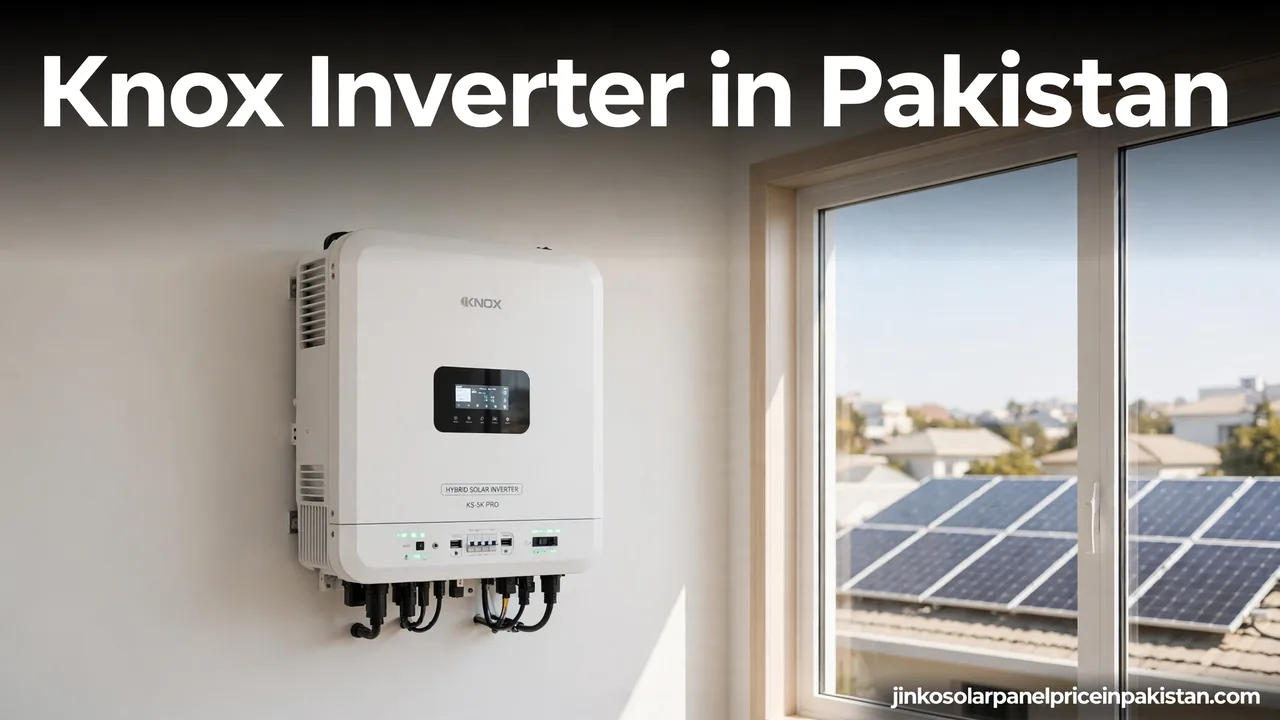
Knox Inverter in Pakistan: Complete Brand Guide

Knox is a homegrown Pakistani solar brand whose hybrid inverters — sold mainly under the Krypton and Xenon series — have become a familiar sight in homes and small businesses dealing with load shedding. If you are considering a Knox inverter in Pakistan, the short version is this: the Krypton series (roughly the 4 kW class) suits typical homes that need backup during outages plus the option of net metering, while the Xenon series (larger, up to around 15 kW) serves bigger homes and commercial setups. Knox units are hybrid inverters with MPPT solar charging, battery-less daytime operation and WiFi/app monitoring on many models — and because it is a local brand, dealer support and warranty service are usually easier to reach than with some imported brands. This guide explains who Knox is, which models are on the market, the features that matter for Pakistani conditions, and the checks to run before you buy.
Who Makes Knox Inverters?
Knox inverters are made by Knox Solar, a Pakistani solar energy company. The brand positions itself as a local manufacturer and solution provider, selling solar panels and inverters designed for the Pakistani market. You can see the company’s official presence at knoxpv.com (Knox Solar’s website), where the company lists its products, mission and dealer network information. In the market, Knox products are sold through the company’s own channels and through authorized resellers and solar installers across Pakistan.
Being a local brand is a meaningful part of Knox’s appeal. Inverter buyers in Pakistan often worry about two things: whether spare parts and service will be available in a few years, and whether the warranty claim will actually be honoured. A brand with a local presence, local phone support and a dealer network in the country removes much of that uncertainty — and that is exactly the gap Knox tries to fill. As with any brand, though, the dealer you buy from still matters: buy from an authorized dealer, keep your purchase invoice, and get the warranty terms in writing.
Knox Inverter Lineup in Pakistan
Knox’s inverter lineup is built around two families: Krypton for residential use and Xenon for larger installations. Both are hybrid inverters, meaning each unit combines a solar MPPT charge controller, a battery charger/inverter and grid-interactive functions in one box.
Krypton Series (Residential)
The Krypton series is the lineup most Pakistani homeowners will encounter. Models seen in the market include the Krypton Eco 5000, Krypton PV5600, Krypton 6000 and Krypton 6500, plus a 6 kW-class model (often listed as the PV8000). These are single-phase hybrid inverters sized for homes — the 4 kW-class models (Eco 5000, PV5600, 6000, 6500) suit typical household loads with a 24 V battery bank, while the 6 kW model steps up to larger homes with heavier daytime loads.

Published specifications for Krypton models commonly highlight: pure sine wave output, batteryless (battery-independent) operation so the system can run directly from solar during the day, high-current MPPT solar charging that works with modern high-wattage panels, WiFi monitoring with a mobile app on several models, dual output for smart load management (essential vs. non-essential loads), and grid-feeding capability for net metering. Several listings also mention built-in anti-dust kits — a thoughtful touch for Pakistan’s dusty environment — and international safety/EMC certifications such as the IEC 62109 and IEC 61683 series on product datasheets. Always confirm the exact specs on the datasheet of the specific model you are buying, since features vary between models.
Xenon Series (Larger Homes and Commercial)
The Xenon series targets bigger systems. Market listings include the Xenon 11000 (around 11 kW) and Xenon 22500 (around 15 kW), aimed at large homes, offices, shops and small commercial setups with heavy three-phase or high single-phase loads. Like the Krypton line, Xenon models are hybrid inverters with smart load management features — including dual outputs that let the installer prioritize essential loads during an outage.
If your connected load is modest — fans, lights, a fridge, a TV and a laptop — you do not need the Xenon range. The Xenon series makes sense when your load assessment (done properly with your installer) shows sustained loads well beyond what a 6 kW-class residential unit handles comfortably. Our solar inverter buying guide for Pakistan explains how to size an inverter to your actual load.
Key Features That Matter in Pakistan
When you evaluate any Knox model, these are the features that make the biggest practical difference in Pakistani conditions:
Hybrid operation with MPPT. All Knox models discussed here are hybrid inverters with built-in MPPT solar charge controllers. MPPT squeezes more energy out of your panels than older PWM controllers, especially in the morning, evening and on cloudy days. High MPPT input current on newer Krypton models also means they pair well with today’s high-wattage solar panels.
Battery-independent operation. Many Knox hybrid inverters can run loads directly from solar during the day without batteries connected. This matters in Pakistan because batteries are the most expensive part of a solar system — batteryless operation lets you start with panels and the inverter, then add a battery bank later for nighttime backup.
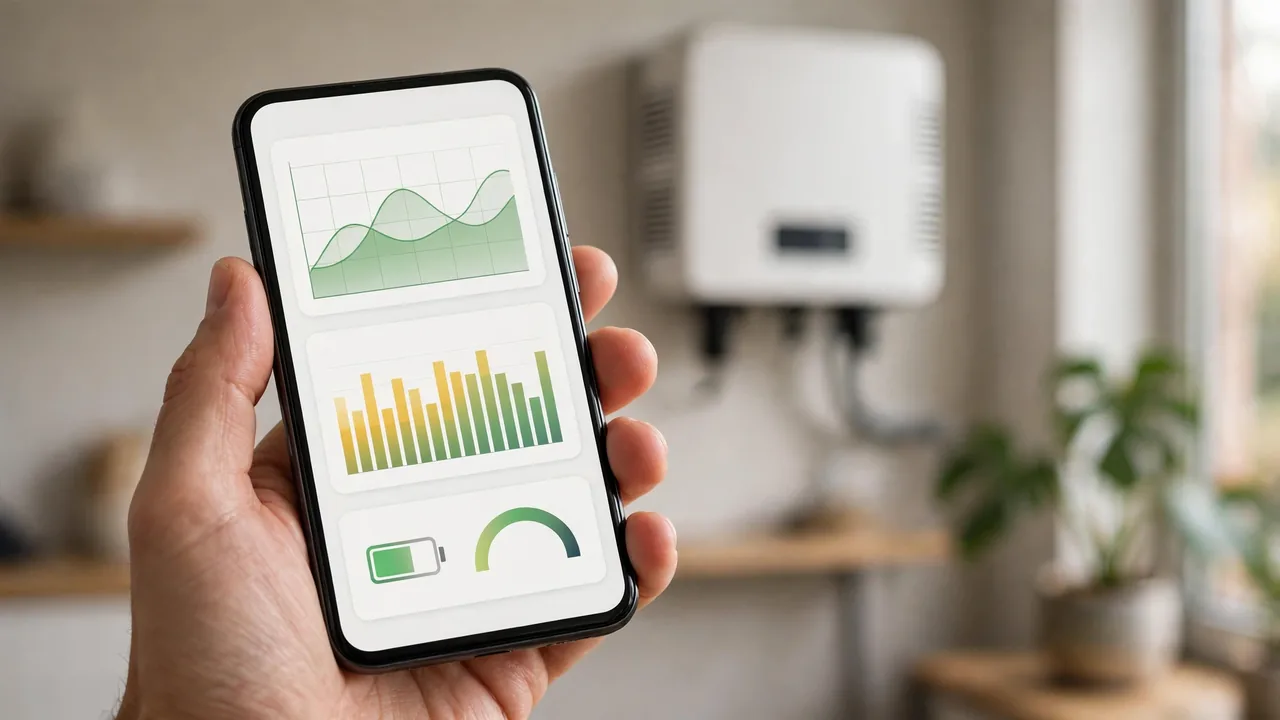
WiFi and app monitoring. Several Knox models include built-in WiFi with a mobile app, so you can watch solar production, battery status and grid usage from your phone and get fault alerts. Remote monitoring is genuinely useful: it is how you notice a tripped breaker, a dusty panel string or a failing battery before it costs you.
Dual output and smart load management. Dual-output models let the installer wire essential loads (fans, lights, fridge) to a priority output and heavy loads (iron, water pump, AC) to a secondary output that can be shed during an outage. This is one of the most practical features for load-shedding resilience.
Dust and heat tolerance. Pakistan’s environment is harsh on electronics: dust, heat and voltage fluctuations. Knox models marketed locally emphasize features like anti-dust kits and wide operating temperature ranges. Place the inverter in a shaded, ventilated spot regardless of brand — direct sun on the inverter cabinet is the fastest way to shorten any inverter’s life.
Knox vs Other Inverter Options
Knox sits in the local-brand segment of Pakistan’s inverter market, alongside imported Chinese brands (Solis, Growatt, Inverex) and European options (Fronius). The honest comparison comes down to three things:
Service and warranty reach. This is Knox’s strongest card. A local brand’s dealers, service centres and spare-parts pipeline are inside the country. With imported brands you depend on the importer’s local operation, which varies widely in quality. If after-sales service is your top priority, buy from a brand whose service you can actually reach — and verify the dealer’s service process before paying.
Feature set. On paper, Knox Krypton models offer the same core hybrid features as competing Chinese hybrid inverters: MPPT, batteryless operation, WiFi monitoring, dual output. Differences show up in the details — app quality, firmware updates, exact MPPT current, and how the unit behaves at the edge of its ratings. Ask the dealer for a demo of the monitoring app and the full datasheet before deciding.
Efficiency and build. Premium imported inverters sometimes publish higher peak efficiencies and fanless designs; Knox models are conventional hybrid units built for the local price-performance point. For a typical home system, the practical difference is small compared to the impact of correct sizing, good wiring and honest installation.
Our hybrid solar inverter guide for Pakistan covers how hybrid systems work in general, and our top 5 hybrid inverters list gives you other brands to compare against Knox.
How to Choose the Right Knox Inverter
Follow these steps to pick the right model — in this order:
1. List your loads. Write down every appliance the inverter must run, with its wattage, and separate essential loads from heavy ones. A 4 kW-class Krypton covers fans, lights, fridge, TV, laptops and small motors; add an inverter AC, electric geyser or water pump and you are quickly in 6 kW territory or beyond. Never size an inverter on guesswork — an undersized inverter trips under load, and an oversized one wastes your money.
2. Decide on batteries now or later. Knox hybrids support both paths: run batteryless at first and add batteries later, or install the battery bank from day one. If you choose batteries, match the battery voltage to the inverter’s requirement (24 V on the smaller Krypton models, higher on bigger units) and size the bank for your nighttime essential load. See our best battery for solar system guide for battery types and sizing.
3. Check your phase and net metering plans. Most homes are single-phase, which the Krypton series covers. If you plan net metering with your distribution company, confirm the specific Knox model supports grid feeding and appears on the relevant approved-equipment expectations your installer works with — your installer and DISCO paperwork decide this, not the brochure.
4. Match panels to the MPPT. The inverter’s MPPT has a maximum PV input voltage, current and power. Your installer strings the panels to stay inside those limits. High-current MPPT on newer Knox models makes this easier with modern high-wattage panels, but the string design still has to be done correctly.
Buying Checks: How to Avoid Fakes and Bad Deals
Knox’s popularity means refurbished or misrepresented units can appear in the market. Run these checks before you pay:
Buy from an authorized dealer. Ask the seller whether they are an authorized Knox dealer or reseller and how warranty claims are handled — in-house service, or shipped where? A dealer who cannot explain the warranty process clearly is a red flag.
Verify the unit. Check the serial number on the box, the unit and the warranty card — all three should match. Keep the stamped warranty card and the purchase invoice; both are usually required for a claim. Our solar product verification guide walks through the general process of verifying genuine equipment.
Inspect before installation. The box should be sealed, the unit free of scratches or dust inside the vents, and the accessories (manual, communication cables, mounting bracket) complete. Photograph the serial labels before the installer mounts the unit — you will need them if anything goes wrong later.
Get the datasheet. Ask for the official datasheet of the exact model (not a generic Knox brochure). Confirm the rated output, MPPT range, battery voltage, certifications and warranty period in writing on the invoice. If a dealer’s claims do not match the datasheet, walk away.
Installation and Maintenance Tips
Placement. Mount the inverter on a solid wall in a shaded, ventilated area — a garage wall or a dedicated utility corner works well. Keep it away from direct sunlight, rain exposure and flammable material, and leave clearance around the vents for airflow.
Wiring. Use the cable sizes the installer calculates for your inverter’s current — undersized DC cables cause voltage drop and heat. Every Knox hybrid installation should include proper DC and AC breakers, surge protection and earthing. Cheap out on protection and a single lightning surge or grid spike can kill the inverter.
Maintenance. Check the inverter display or app weekly: look for fault codes, unusually low production, or battery warnings. Keep the vents dust-free (a soft brush, power off), and have the installer inspect connections yearly — loose DC terminals are a common cause of heat damage. Knox’s WiFi monitoring makes the weekly check a two-minute job on your phone.
Check Current Prices
Inverter prices in Pakistan move with the dollar rate, import duties and dealer stock, so any figure printed in an article goes stale fast. For today’s Knox inverter prices, check the daily updated price tables on our homepage — we refresh them every morning from the market.
Frequently Asked Questions (FAQs)
Is Knox a Pakistani brand?
Yes. Knox Solar is a Pakistani solar energy brand selling solar panels and inverters for the local market. Its official website is knoxpv.com, and its products are sold through the company’s own channels as well as authorized resellers and solar installers across Pakistan.
Which Knox inverter is best for a home in Pakistan?
For most homes, the Krypton series (around the 4 kW class) is the relevant range — it covers typical household loads with battery backup and batteryless daytime operation. Larger homes with heavy loads may need the 6 kW-class model or the Xenon series. Always size the inverter from your actual load list rather than guessing.
Do Knox inverters work without batteries?
Many Knox hybrid inverters support battery-independent (batteryless) operation, so they can run your daytime loads directly from solar panels. You can add a battery bank later for nighttime backup — just make sure the battery bank voltage matches the inverter model’s requirement.
Can Knox inverters be used for net metering?
Krypton models with grid-feeding capability can be used in net-metered systems. Confirm with your installer that the specific model you are buying supports grid feeding and meets your distribution company’s requirements before you finalize the purchase.
How can I verify a genuine Knox inverter?
Buy from an authorized dealer, check that the serial number matches on the box, the unit and the warranty card, and keep the stamped warranty card and purchase invoice. Inspect that the box is sealed and the unit shows no signs of prior use before the installer mounts it.
What warranty does Knox offer?
Knox units are typically sold with multi-year warranties through authorized dealers, but the exact duration and claim process vary by dealer. Get the warranty terms written on your invoice before paying, and ask the dealer exactly how a warranty claim is handled.
Which battery works with a Knox hybrid inverter?
Match the battery bank voltage to your inverter model’s requirement — for example, the smaller Krypton models use a 24 V bank. Both tall tubular and lithium (LiFePO4) batteries work with hybrid inverters; choose based on your budget, backup needs and available space.
Should I choose Knox or an imported inverter brand?
Knox’s main advantage is local service and warranty reach — support, spare parts and dealers are inside Pakistan. Imported brands may offer premium features or efficiencies. Compare the dealer’s after-sales service quality, the monitoring app and the datasheet specs for the exact models you are considering before deciding.
